


Hey everyone, let’s talk about something we’re all drowning in: digital outrage.
We share, we post, we change our avatars, and we feel like we’re making a difference. But I’m starting to wonder if this ‘slacktivism’ is actually the ultimate trap, a way for the powers-that-be to keep us pacified. We’ll dive into why these easy online actions feel good but achieve little, drawing some grim parallels to how people were ‘managed’ in the past. It’s time to talk about how to move beyond the digital echo chamber and into the real arena of change. Ready to confront the uncomfortable truth? Let’s go.
Remember The Great Show of Byzantium?
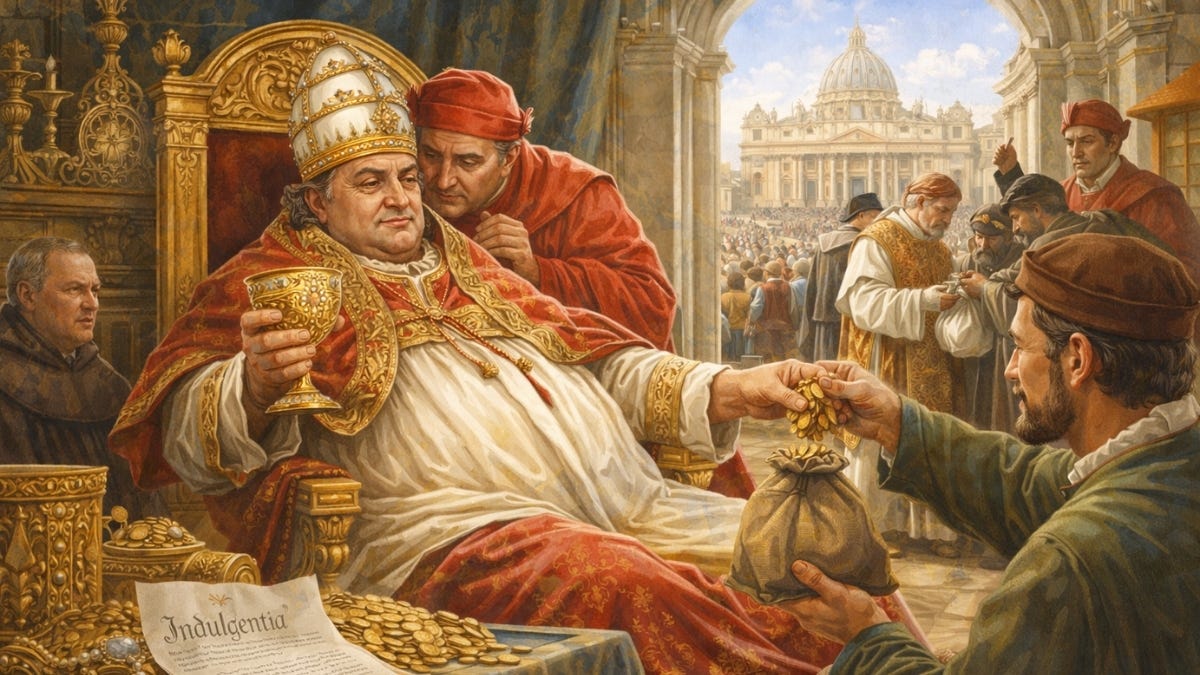
You know, I was thinking about those old Byzantine emperors. They weren’t just kings; they were like performance artists on a civilizational scale. Their power wasn’t just in decrees, but in grand ceremonies, the echoing pronouncements from the church that essentially told everyone, ‘This is how it is, and God/The Emperor wants it this way.’ It was a way to control not just action, but thought. If you questioned anything, the sheer, overwhelming display of ‘the way things are’ was supposed to silence you. It’s a kind of soft control, isn’t it? Making you feel like you’re part of a grand, unquestionable order.
We often forget that control isn’t always about chains; it’s about shaping desires and fears, making the status quo seem like the only viable path. They understood that humans crave order and belonging, and they built a system designed to feed that hunger, making dissent a lonely, nearly impossible prospect. They made sure the narrative was always, *always* theirs. It’s a sophisticated trick, and frankly, it feels eerily familiar when I look at how we operate now.
Your ‘Like’ vs. The Real Fight: The Slacktivism Trap
Okay, let’s cut the BS. How many times have you seen a post about injustice, a major crisis, or a call for change, and you immediately hit ‘share’ or slap on an angry emoji? It feels good, right? You’ve expressed yourself! You’ve ‘done your part.’ You’re part of the movement. But is that really what’s happening?
I’m convinced this digital activism, this ‘slacktivism,’ is often just an emotional pacifier. It gives us the *feeling* of fighting back without any of the actual risk, sacrifice, or sustained effort required for real change. It’s the digital equivalent of shouting into the void and feeling empowered because you made noise. We get a little hit of dopamine, a sense of moral purity, and then we go back to our lives, leaving the actual problems untouched. We’re performing activism, not practicing it, and the powers-that-be must be loving it. It’s a beautiful, elegant way to keep us engaged but inert.
Why ‘Easy Virtue’ Is Actually a Prisoner’s Comfort
It’s human nature, really. We want to do good, we want to feel righteous, but facing down complex, daunting problems like climate change or deep-seated inequality? That’s exhausting. It requires actual work, sacrifice, maybe even facing real consequences. So, when a petition pops up, or a hashtag goes viral, it’s a lifeline. It offers that immediate dose of ‘I did something!’ – a quick fix for our conscience.
But here’s the dirty secret: this ‘easy virtue’ is the softest kind of prison. It’s comfortable. It’s validating. It allows us to signal our commitment without demanding it. The truly dangerous part is when we start to believe that clicking a button or changing our profile picture actually constitutes meaningful action. We become complacent, pacified by the illusion of progress. This is how deeply ingrained systems persist; they offer just enough superficial engagement to mute genuine dissent.

Breaking Free: Time to Get Our Hands Dirty
So, what do we do? Do we abandon our digital tools? Of course not. But we have to get brutally honest about their limitations. We have to shift our focus from the fleeting thrill of the online signal to the tangible impact of sustained, real-world engagement. Think about every significant social change in history – it wasn’t won by trending hashtags alone. It was won by people showing up, by people facing down the uncomfortable, by people putting their bodies, their time, and their energy on the line.
This means making harder choices. It means prioritizing actions that demand more than a moment of attention. Maybe it’s showing up to a local town hall, dedicating time to an organization doing grassroots work, engaging in difficult conversations face-to-face, or truly understanding and dedicating ourselves to a cause beyond a single post. Let’s trade the hollow echo of the click for the resonant impact of genuine commitment. It’s time to stop performing change and start building it. Are you with me?
Este activismo de "sofá" o reposera es todo eso que dices y mucho más. Es naturalmente un medio de control, es más fácil, menos "peligroso" que salir a la calle a manifestarse tal como sucede en Irán, Estados Unidos, Rusia y China, casos más notorios imposibles de encontrar. Y a la vez, cada uno de nuestros escritos están siendo analizados, archivados, custodiados en ese universo digital, en ese cosmos aún más oscuro, que la propia "internet profunda" o, valga la redundancia: "la internet oscura". Pero también: ¿qué otra forma tiene muchísima gente de manifestarse, trasladar información, desde la más tonta a aquellas que verdaderamente importan, o ayudar a mitigar sus horas de soledad, en un mundo cada vez más aislado y ensimismado en un falso ensimismamiento? ¿Hay un empecinamiento en esto?; puede haberlo, es adictivo, lo es de por sí. Nos están manipulando, engañándonos con un mundo hiperconectado, también....pero nos movemos dentro de esferas que no representan la globalidad. La globalidad también implica aquellas zonas donde no hay conectividad, y pienso en áreas remotas de la selva africana, del amazonas, de los pueblos perdidos en las alturas del norte argentino. Que sucede con esas vidas al margen de todas estas diatribas. Ni estamos en el "Mundo Feliz " de Huxley ni en la panacea democrática que un totalitarista como Trump o Putin nos quieren vender. Estamos simplemente sobre la línea por la que siempre hemos estado caminando, "la delgada línea roja" (esa a la que filosóficamente se refería Terrence Malik en su film). En todo caso quiero pensar, que tal vez este activismo de "confort" mantenga viva ciertas esperanzas y promuevan en un futuro, manifestaciones y levantamientos, que recuperen la sensatez y una nueva reformulación de las democracias liberales y sociales, en este caótico reordenamiento del orden mundial a cual nos han expuestos, como animales hacia un matadero.