

Your Inbox, Their War: Why Even the ‘Top Cop’ Can’t Escape Digital Spying

A personal reflection on the alarming breach of a top FBI official’s private email, examining how this stark vulnerability mirrors our own daily digital precarity and demanding a deeper reckoning with our collective cyber fate.
The Personal Becomes Political: My Reaction to a Disturbing Breach
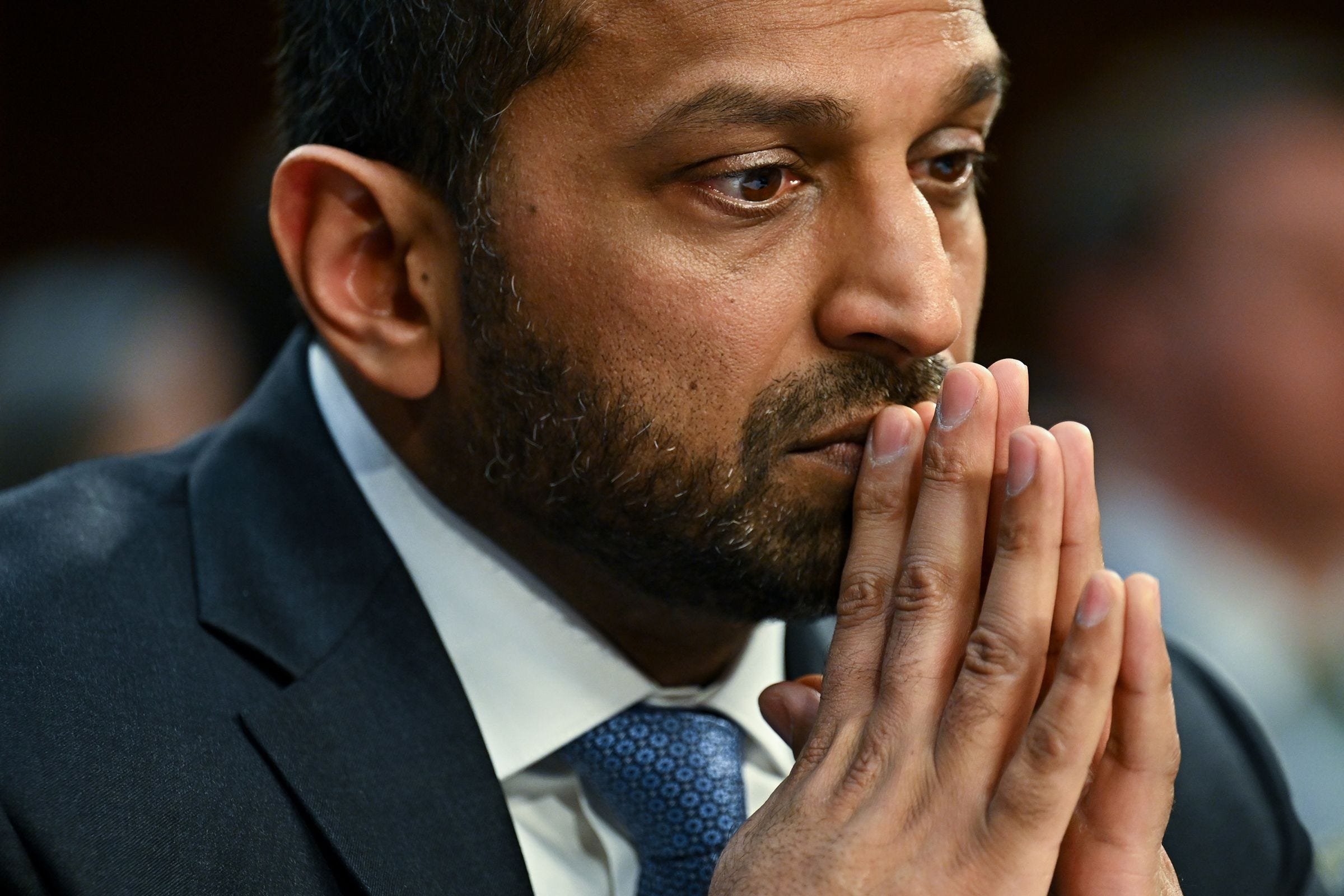
When I heard about the hack of Kash Patel’s personal Gmail account by an Iran-linked group, my first thought wasn’t about state secrets—it was about the sheer, unsettling intimacy of it all. Years of personal emails, family photos, travel plans, all laid bare. It’s a stark reminder that in our hyper-connected world, the line between our private lives and global geopolitics has all but vanished. This isn’t just about a high-ranking official; it’s about the pervasive vulnerability that touches us all, a chilling echo of the constant digital precarity I know many of you feel. It forces us to ask: If someone at the top of national security can have their most personal digital spaces invaded, what hope do we, the everyday citizens, have?
Unpacking the Vulnerability: What the Patel Hack Really Shows Us
The details of the breach are straightforward: the Handala group accessed Patel’s older personal Gmail from 2010 to 2019. No classified information, just personal life. But this ‘just’ is the terrifying part. It underscores a critical truth: our personal digital lives are often the weakest links. Think about it: how many old accounts do you have, perhaps with weaker passwords or less rigorous security? These become backdoors not just for trivial data, but for comprehensive profiles that can be weaponized. The incident with Kash Patel is a potent symbol of how deeply interconnected and dangerously exposed our individual digital identities have become to the machinations of global power struggles. It’s a wake-up call that privacy, even for the powerful, is an increasingly fragile illusion.
Every technology is a loaded gun, pointed equally at the future of freedom and the future of tyranny.
– Lewis Mumford
Why This Matters to You: The Existential Threat to Your Digital Life
You might think, ‘I’m not an FBI director, so this doesn’t affect me.’ But that’s precisely the trap. This isn’t just a story about one person; it’s a mirror reflecting our collective digital fate. Every time such a breach occurs, it chips away at the collective sense of digital security. It normalizes the idea that our personal information is fair game, a commodity, or a weapon for anyone with the will and skill to take it. The existential stakes are immense: our freedom to communicate, to maintain personal boundaries, and to exist in a public sphere without constant fear of exposure. As Hannah Arendt might have warned, when the private realm is constantly encroached upon by the public—or in this case, the geopolitical—it threatens the very space for individual thought and action.
The most radical revolutionary will become a conservative the day after the revolution.
– Hannah Arendt
Go Deeper
Step beyond the surface. Unlock The Third Citizen’s full library of deep guides and frameworks — now with 10% off the annual plan for new members.
Finding Our Footing: Steps Towards a More Resilient Digital Future
So, what can we do? This isn’t a problem that one person or even one government can solve alone. It requires a fundamental shift in mindset. For you and me, it means adopting rigorous digital hygiene: complex, unique passwords for every account, multi-factor authentication everywhere possible, and being incredibly selective about what information we share online. Beyond individual action, we must collectively demand greater accountability from the tech companies that house our data and the governments that are supposed to protect us. This means advocating for stronger data privacy laws and for genuine investment in cyber resilience that extends beyond classified networks to safeguard every citizen. We need to reclaim our digital sovereignty, not just for ourselves, but for a future where privacy is still possible and personal life isn’t just another front in an invisible war.