


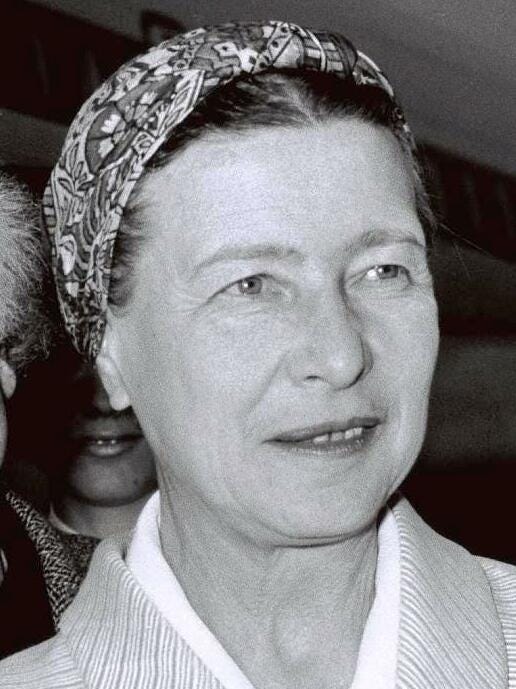
Ever feel like we’re trapped in an endless ideological battle, each side utterly convinced of its own righteousness? Simone de Beauvoir saw this coming. Her ‘Ethics of Ambiguity’ isn’t just philosophy; it’s a lifeline. Join me as we explore why our craving for certainty is actually holding us back, and how embracing the grey areas might be the most powerful act we can take today.
Are We All Just Chasing ‘The Truth’?
Have you ever noticed how, in almost any heated debate today, everyone seems absolutely convinced they’re right? Whether it’s politics, culture, or even the latest viral trend, there’s a powerful impulse to find ‘the’ definitive answer, ‘the’ undeniable truth. This isn’t just about winning an argument; it’s a deep human craving for stability, for knowing where we stand in a chaotic world. But what if this very craving for certainty is actually a dangerous illusion? What if it’s the engine driving the very ideological rage and division that seems to be tearing our societies apart? I’ve been grappling with this question a lot lately, and it keeps bringing me back to the profound insights of Simone de Beauvoir.
Simone de Beauvoir: A Radical Voice for Freedom
Simone de Beauvoir, one of the most influential thinkers of the 20th century, had a radical idea that feels incredibly relevant to our moment. She argued that our existence isn’t about finding pre-existing meanings or absolute moral laws. Instead, we are fundamentally free, and with that freedom comes the awesome, often terrifying, responsibility of creating our own values and meaning. This concept is at the heart of her book, “The Ethics of Ambiguity.” It’s a challenging idea because it means there’s no divine blueprint or objective rulebook telling us exactly what’s ‘right’ or ‘wrong.’ It forces us to confront the uncomfortable truth that we are, in a very real sense, inventing morality as we go.
The Trap of the ‘Serious Man’
Beauvoir had a particular term for those who try to escape this unsettling freedom: the ‘serious man’ (or woman, of course). This isn’t about being serious in your work or life; it’s about latching onto ready-made values, ideologies, or institutions as if they are absolute, undeniable truths. It’s the person who says, ‘This is just how things are,’ or ‘This is the only correct way to think.’ They surrender their own responsibility to create meaning, preferring the comfort of a fixed, external authority. It’s a tempting escape, isn’t it? To let someone else, or some established doctrine, do the hard work of thinking for you. But as Beauvoir illustrates, this escape comes at a profound ethical cost.
The ‘serious man’ is one who, finding the values given, makes himself their guardian and instrument.
– Simone de Beauvoir, “The Ethics of Ambiguity”
This isn’t just about personal integrity; it’s about how we collectively build our world. When we refuse to interrogate the foundations of our beliefs, we become complicit in systems that can easily suppress the freedom and self-determination of others. It’s the subtle, insidious way dogma takes root, turning otherwise well-meaning individuals into instruments of ideological rigidity.
Embracing the Uncomfortable Grey
So, what’s Beauvoir’s alternative? It’s to embrace the ambiguity. To accept that there are no ultimate, objective answers, and that our values are created through our actions. This doesn’t mean anything goes; quite the opposite. It means we have an even greater responsibility to make conscious choices, always striving to act in ways that expand, rather than diminish, freedom – both our own and that of others. It’s a constant process of becoming, of ethical wrestling, rather than arriving at a fixed destination. This continuous wrestling with ambiguity, rather than escaping it, is the true path to ethical freedom and genuine progress.
One’s life has value so long as one attributes value to the life of others, by means of love, friendship, indignation, compassion.
– Simone de Beauvoir
This quote, while not directly from “The Ethics of Ambiguity,” perfectly encapsulates the intersubjective nature of Beauvoir’s ethics. Our freedom isn’t solitary; it’s deeply interwoven with the freedom and well-being of others. It means that when we act, we must consider the impact on the ‘other,’ willing their freedom as much as our own. This creates a powerful ethical compass, even in the absence of absolute rules.
Go Deeper
Step beyond the surface. Unlock The Third Citizen’s full library of deep guides and frameworks — now with 10% off the annual plan for new members.
A Personal Invitation to Ambiguity
For me, Beauvoir’s ideas are a powerful invitation to intellectual humility and radical responsibility. It asks us to look beyond the performative certainties of our public discourse and examine our own internal craving for easy answers. It challenges me to ask: Am I truly willing to engage with the uncomfortable nuances of complex issues, or am I seeking refuge in a convenient dogma? It’s not easy, but I believe it’s essential for navigating our divided age. What does embracing ambiguity mean for you in your daily life or in your conversations with others? How might it shift your perspective on the debates that currently consume us? I’d love to hear your thoughts in the comments.