


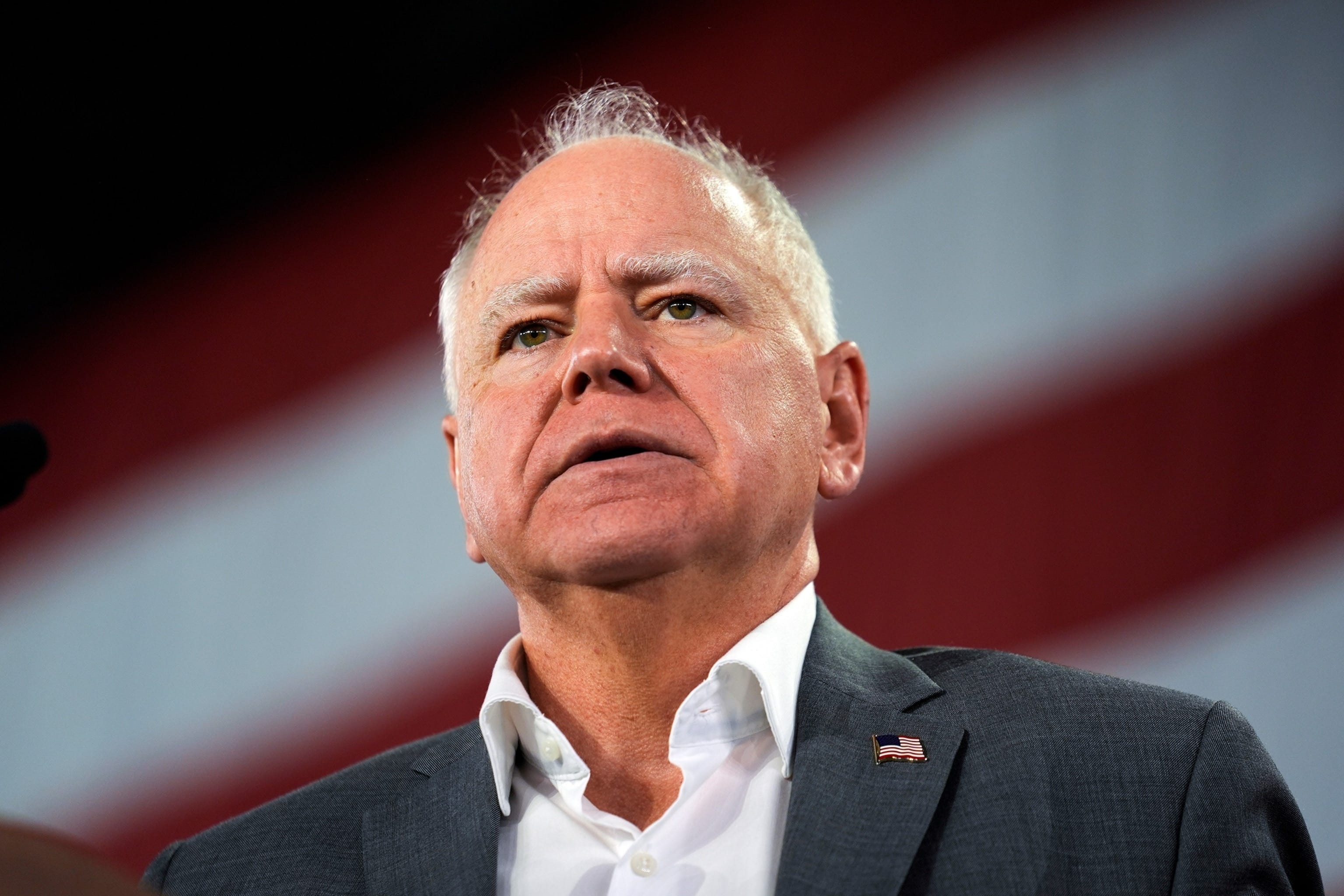
Tim Walz’s exit isn’t just local news; it’s a warning. We are watching the real-time death of the ‘adversary’ and the rise of the ‘enemy.’ A look at the high cost of governing in a war zone.
Symptoms: The exhaustion of the arena
I watched the announcement from Minnesota with a sinking feeling that had nothing to do with partisan preference. Governor Walz’s decision to drop his reelection bid felt like a surrender flag raised over a besieged city. The symptoms of this siege are everywhere. It’s not just the scandal regarding the childcare centers—scandals are old hat in politics. It is the velocity and the origin of the attack. You have a viral video from an influencer triggering a federal funding freeze. This is a new symptom: the feedback loop between digital virality and state punishment. It feels less like a campaign and more like a coordinate strike on a person’s will to endure.
Diagnosis: The enemy is absolute
We are suffering from an acute case of what Carl Schmitt described nearly a century ago. We have forgotten how to have opponents. The modern political machine does not seek to defeat the other side; it seeks to make their existence impossible. When I see federal funds withheld from a state because of a partisan dispute, I see the friend-enemy distinction in its rawest form. The state is no longer a shared project; it is a weapon. As Schmitt noted in his analysis of the political:
The political is the most intense and extreme antagonism, and every concrete antagonism becomes that much more political the closer it approaches the most extreme point, that of the friend-enemy grouping.
– Carl Schmitt, The Concept of the Political
We are at that extreme point. The diagnosis is a complete breakdown of the shared reality required for governance.
Prognosis: The rise of the shameless
If we don’t treat this, the future is bleak. The people who will replace the exhausted governors and mayors won’t be the ‘best and brightest.’ They will be the most shameless. They will be the ones who thrive on the conflict, who monetize the outrage. We are selecting for sociopathy. The prognosis is a political class that cares nothing for the actual job of governing, but everything for the camera. It reminds me of a warning from Václav Havel about what happens when the system crushes the human element:
The tragedy of modern man is not that he knows less and less about the meaning of his own life, but that it bothers him less and less.
– Václav Havel, Letters to Olga
We are entering an era where it bothers our leaders less and less that the state is failing, so long as they are winning the war on Twitter.
Go Deeper
Step beyond the surface. Unlock The Third Citizen’s full library of deep guides and frameworks — now with 10% off the annual plan for new members.
Prescription: Refusing the war
So, what is the prescription? It is difficult, but it starts with a refusal. We have to refuse to click on the outrage. We have to refuse to reward the soldiers of this new war. We need to find the courage to support the boring, the complex, and the moderate. We need to protect the space where we can disagree without destroying one another. If we don’t, the only people left in the arena will be the ones holding the swords.
"When injustice becomes law, resistance becomes duty"
Resistance is not just a right, but a moral imperative when the government itself becomes tyrannical or oppressive. We have reached this point.