


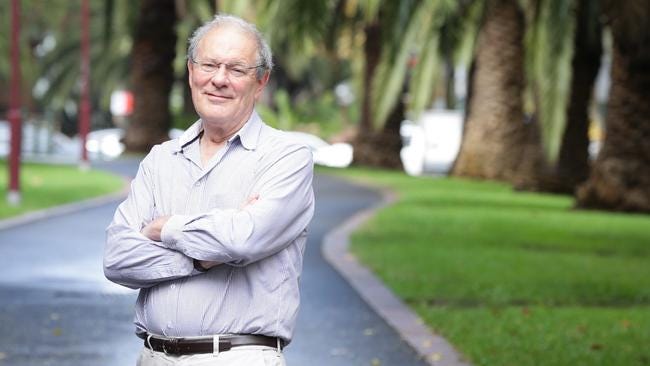
Theodore Dalrymple’s diagnosis of “sentimental brutalism” critically examines the interplay between public virtue and private cruelty in contemporary society. He argues that expressions of moral superiority often masquerade as genuine ethical commitments while masking deeper societal failings. This critique arises from his unique perspective as a psychiatrist and writer, enabling him to explore the emotional and psychological ramifications of brutalist architecture—an aesthetic he contends symbolizes a broader cultural malaise. Through his analysis, Dalrymple suggests that the glorification of such architectural forms reflects a society struggling with unresolved issues of identity and morality, where the façade of public virtue often serves to justify personal indifference or cruelty.
Dalrymple’s concept of sentimental brutalism is emblematic of a larger cultural tension, where architectural aesthetics intersect with societal values. Brutalism, known for its stark and often intimidating concrete structures, elicits complex emotional responses from the public, ranging from admiration to aversion. Critics, including Dalrymple, argue that these structures serve as symbols of urban decay and psychological discomfort, reinforcing a narrative of failure in modernist ideals and the societal neglect they represent. The notion that public virtue can be used to justify inaction or cruelty is central to Dalrymple’s argument, highlighting a disconnection between moral posturing and real-world ethical responsibilities.
The critique of sentimental brutalism extends to broader societal implications, as Dalrymple contends that modern moral discourse has devolved into performative acts that prioritize visibility over substantive ethical action. This phenomenon, which he terms “elite moral signaling,” critiques the moral language of contemporary elites who engage in public displays of virtue that lack personal sacrifice or accountability. Dalrymple’s insights resonate with ongoing debates about the welfare state and personal responsibility, positioning his work within a contentious discourse on social ethics and the complexities of human behavior in the face of systemic issues.
Despite his compelling arguments, Dalrymple’s views have sparked significant controversy. While some praise his candid assessments of welfare and moral responsibility, critics assert that his perspective risks oversimplifying complex societal issues and romanticizing individual suffering. This ongoing discourse reflects a critical examination of the relationship between architecture, morality, and societal values, inviting further exploration into how the aesthetics of our environments shape, and are shaped by, our collective ethical frameworks.
Background: The Architecture of Brutalism
Brutalism, an architectural style characterized by its raw concrete structures and minimalist aesthetic, has been a subject of both admiration and criticism. While the term “brutal” evokes notions of cruelty and aggression, in architecture, it signifies a rejection of ornamentation in favor of functionality and honest materials. This paradox has led to a complex relationship between the public and brutalist structures, particularly in the context of urban environments where such buildings often evoke deep-seated fears and anxieties. Critics like Theodore Dalrymple have vehemently denounced brutalism, branding it as “totalitarian” and “humiliating,” thus reflecting the cultural sentiment towards these once-innovative structures that have now become symbols of urban decay and psychological discomfort.
We shape our buildings; thereafter they shape us.
Winston Churchill
The narrative surrounding brutalism has evolved as its structures have deteriorated over time. Buildings such as those in the Red Road estate have transitioned from celebrated examples of Modernist architecture to sites laden with a sense of haunting and nostalgia. They are often perceived as reminders of a failed Modernist vision, manifesting the “repressed histories” of both personal and public traumas. The decaying concrete of these structures, much like the eerie aesthetics of Victorian architecture they sought to replace, symbolizes the unresolved past that continues to resonate in contemporary urban life. This interplay between memory and decay presents brutalism as a “palimpsest”—a canvas upon which histories are layered and often forgotten, yet impossible to escape.
