


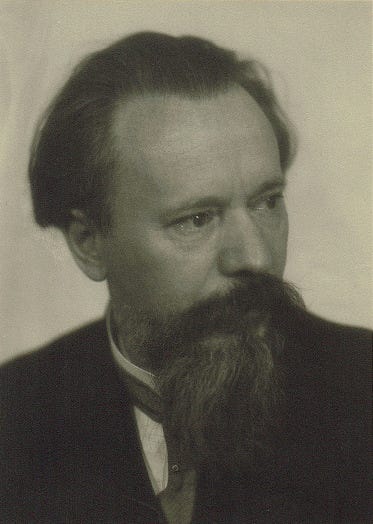
Theodor Lessing, a German-Jewish philosopher and writer, is renowned for his profound exploration of how societies internalize failure, transforming it into self-hatred and resentment. His work offers a sharp critique of Enlightenment ideals, arguing that historical narratives often oversimplify the chaotic essence of human experience. This simplification, in turn, fosters an environment where collective grievances become psychologically internalized.
Through concepts like ressentiment, Lessing posits that individuals and communities may redirect their frustrations inward. This leads to a pervasive sense of inadequacy and hostility towards themselves and others, particularly within rigid social structures. His analysis remains highly relevant in contemporary discussions surrounding identity politics and social dynamics, especially concerning marginalized groups grappling with systemic exclusion.
Lessing emphasized that while acknowledging grievances can be initially empowering, it can paradoxically reinforce dependence on the very power structures they seek to challenge. This cycle of resentment can stifle genuine solidarity, leading to destructive outcomes such as societal violence or an excessive emphasis on individual suffering as a form of identity. His seminal works, including History as the Meaning of the Meaningless, delve into the psychological implications of historical narratives and their influence on self-perception.
Despite the enduring relevance of Lessing’s contributions, his work has not been without controversy. Critics argue that his framework risks pathologizing legitimate grievances by framing them as individual failings rather than addressing broader socio-political dynamics. Furthermore, his philosophical stance has drawn scrutiny for its potential racialist and eugenic undertones, prompting ongoing debates about the implications of his thought in contemporary discourse.
Theoretical Frameworks of Ressentiment
The theoretical framework surrounding self-hatred and resentment in society can be traced through various philosophical and psychological lenses. Central to this discourse is the notion of ressentiment, a term encompassing not only feelings of grievance and indignation but also a deeper psychological condition marked by powerlessness and frustration in the face of societal structures.
