


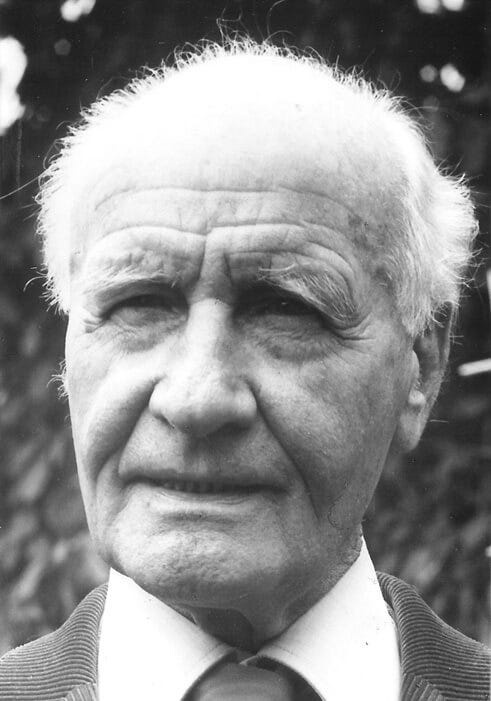
Ever feel like you’re caught in an endless loop of ‘doing’? Josef Pieper believed our modern obsession with constant work is actually destroying our culture and our very souls. Let’s explore his powerful ideas and how we can reclaim true leisure in our lives. This is for you if you’re tired of the hustle and want to remember what it means to truly live.
The Modern Hustle: Are We Losing Ourselves in the Endless Grind?
Have you ever looked around and felt like everyone, including yourself, is caught in an endless cycle of ‘hustle culture’? I know I have. We’re constantly chasing deadlines, optimizing our mornings, filling every spare moment with ‘productive’ activities, or mindlessly scrolling through feeds. It feels like a badge of honor to be busy, doesn’t it? But what if this relentless pursuit of activity is actually leading us away from something profoundly important? What if, as the philosopher Josef Pieper warned decades ago, we are actively eroding the very foundations of our culture and our own human dignity by forgetting the true meaning of leisure?
What Pieper Really Meant: Beyond Netflix and Chill
Now, when I say ‘leisure,’ I’m not talking about binge-watching your favorite show or scrolling on your phone, though those things have their place. Pieper’s idea of leisure is far deeper. He drew from the ancient Greeks, for whom schole wasn’t about idleness, but about contemplative repose, an inner stillness, an openness to reality. It’s about ‘non-doing’ in a receptive way, celebrating existence itself. It’s not simply a break from work to recover, but a space where true culture, art, philosophy, and genuine human insight can flourish. It’s where we remember our inherent worth, not just our utility. As Pieper himself put it:
Leisure is a form of that stillness that is the necessary prerequisite of the apprehension of reality.
– Josef Pieper, “Leisure: The Basis of Culture”
It’s about making space for the sacred, for the unburdened gaze upon the world.
The ‘Busy’ Trap: How We Fell for Constant Activity
So, how did we get here? How did we trade this profound concept of leisure for the ‘busy’ trap? It seems we’ve been conditioned to believe that our worth is directly proportional to our productivity. The more we do, the more valuable we are. This modern imperative to be constantly productive has seeped into every corner of our lives, creating an environment where even our ‘free time’ is often spent planning the next thing or feeling guilty for not being productive. I often find myself falling into this trap, feeling a pang of guilt if I’m simply sitting and thinking, rather than ‘doing’ something outwardly useful. The true cost of unending productivity isn’t just burnout, but the slow erosion of our very humanity, transforming us from beings into mere functions.
When Culture Goes Quiet: Why Our Soul Starves Without Leisure
And what happens when we lose this capacity for true leisure? Pieper argued that our culture itself begins to starve. Think about it: when are we truly open to profound ideas, creating genuine art, or engaging in deep philosophical thought? It’s rarely in the frantic rush between tasks. Without that quiet, receptive space, our culture becomes superficial, driven by fleeting trends and commercial interests. We consume entertainment rather than create or contemplate meaningful experiences. We might gain efficiency, but we lose the richness, the depth, and the very soul of what it means to be a thriving civilization. It’s a trade-off I think we often make unconsciously, to our collective detriment.
More Than a Cog: Finding Our Worth Beyond the Workplace
This isn’t just about culture, though; it’s deeply personal. When our identity becomes inextricably linked to our job title, our income, or our output, what happens when those things are threatened? What happens when we simply stop ‘doing’? We lose sight of our inherent dignity, the value of our being that exists independently of any economic contribution. Pieper reminds us that we are not just cogs in an industrial machine. We are human beings, capable of thought, love, beauty, and connection, and our worth precedes any task we might perform. Reclaiming leisure, in this sense, is an act of self-preservation, a radical affirmation of our fundamental humanity.
Small Revolutions: How You Can Reclaim Your Time and Soul
So, how do we begin to resist this ‘cult of total work’ in our own lives? It’s not about quitting your job and moving to a monastery (unless you want to!). It’s about cultivating small revolutions in your daily routine. It might mean setting aside five minutes each day to simply sit and observe, without agenda. Or truly savoring a meal, rather than eating while multitasking. It’s about distinguishing genuine leisure from mere escapism. It’s about creating moments for contemplation, for unburdened celebration, for letting your mind wander without immediate purpose. As Pieper beautifully encapsulated, leisure isn’t about laziness; it’s about a spiritual attitude.
The most profound and effective way of maintaining contact with the things of nature is, precisely, to behold them.
– Josef Pieper, “Leisure: The Basis of Culture”
It’s an invitation to see, truly see, the world around you and within you.
Go Deeper
Step beyond the surface. Unlock The Third Citizen’s full library of deep guides and frameworks — now with 10% off the annual plan for new members.
My Hope for Us: A Future Where We Remember How to Be
Pieper’s message resonates so deeply with me because it offers a powerful counter-narrative to the relentless demands of modern life. It’s an invitation to step off the hamster wheel, if only for a moment, and remember what truly nourishes our souls. My hope for us is that we can collectively start to reclaim this forgotten art of leisure. Not just for our own well-being, but for the flourishing of a richer, deeper, more humane culture. Imagine a world where we value contemplation as much as production, where genuine celebration isn’t just an afterthought, and where our inherent dignity is universally recognized. It starts with each of us, finding those quiet moments to simply ‘be.’
Beautiful & deeply meaningful. Thank you. We need both a reminder & sadly, permission.