


On January 1, 2026, millions of Americans woke up to a system that had quietly decided they were no longer worth protecting. This is not just about insurance; it’s about who we are.
The Myth of the ‘Temporary’ Fix
There is a pervasive belief in Washington that legislative deadlines are neutral—that when a law ‘sunsets,’ it is merely the natural end of a temporary arrangement. You will hear serious people argue that the enhanced ACA tax credits were always meant to be a bridge, and that dismantling that bridge is simply sticking to the original plan. They will tell you that the market must eventually stand on its own two feet, and that indefinite subsidies are a sign of economic weakness. It sounds reasonable, doesn’t it? It sounds like the adult thing to do: put away the credit card and pay the bill. This perspective allows policymakers to sleep at night, convinced that inaction is not the same as harm.
When Inaction Becomes a Weapon
But let us be clear: allowing a lifeline to snap is an act of violence. When the clock struck midnight on January 1, 2026, it wasn’t just a fiscal policy that expired; it was the security of 20 million people. The true tragedy is not that we suffer, but that we accept bureaucratic inertia as a valid excuse for that suffering. We must look at this not through the lens of policy, but through the lens of moral obligation. As the historian Tony Judt so trenchantly observed regarding the dismantling of the public sector:
We know what things cost but have no idea what they are worth. We no longer ask of a judicial ruling or a legislative act: Is it good? Is it fair? Is it just? Is it right? Will it help bring about a better society or a better world? Those used to be the political questions, even if they answered them differently. We must learn once again to pose them.
— Tony Judt, Ill Fares the Land
We have stopped asking if it is right to double the cost of survival for a family of four. We only ask if it is expensive to stop it.
The Findings: The Math of Cruelty
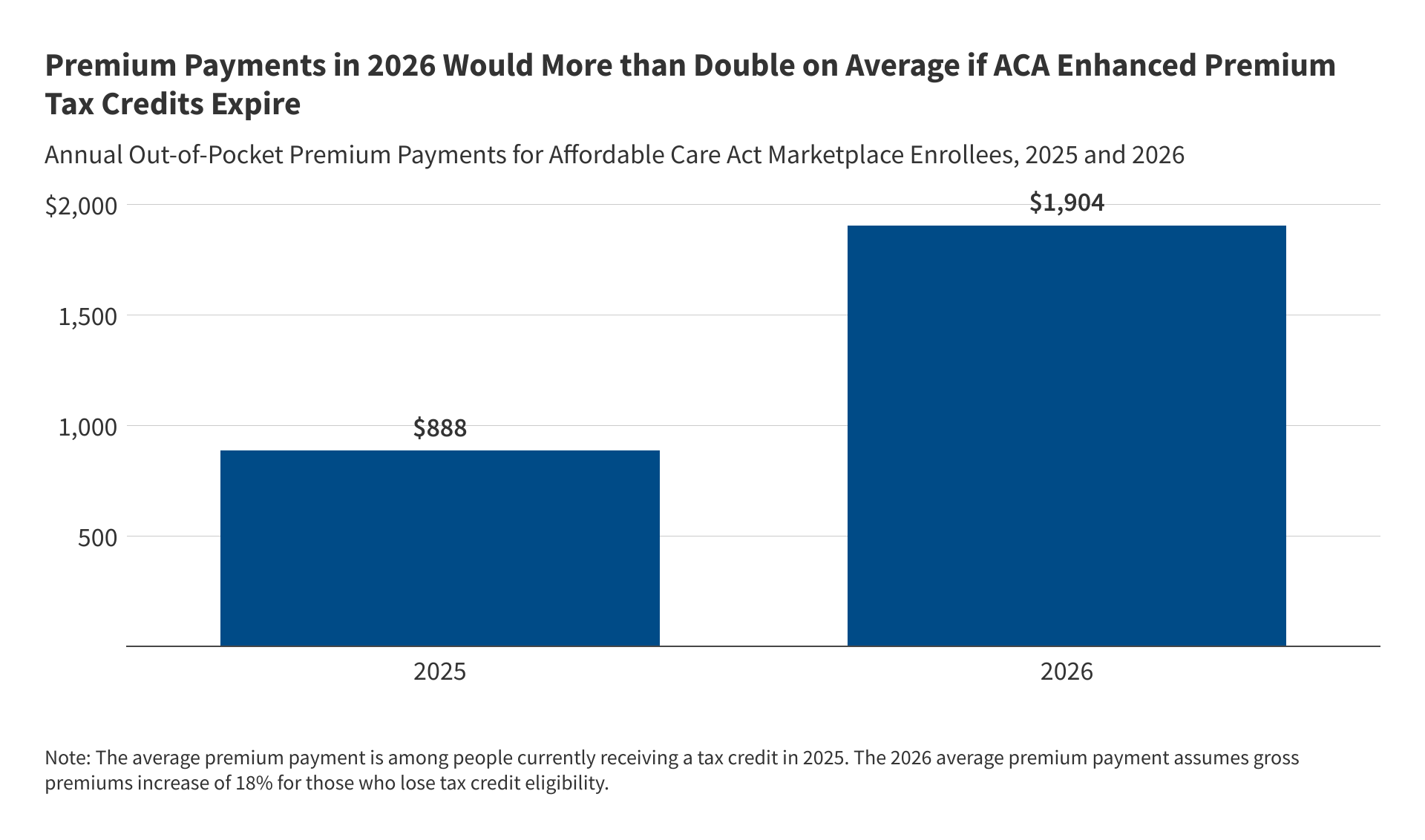
The findings are stark. The premiums didn’t just rise; they doubled. A 114% increase is not a fluctuation; it is an eviction notice from the healthcare system. We are talking about an annual increase of over $1,000 for the average enrollee. For those hovering just above the poverty line, this is not money that can be moved from a savings account; it is money that comes out of the grocery budget, the rent check, or the heating bill. The ‘middle’ is being hollowed out.
The most radical revolutionary will become a conservative the day after the revolution.
— Hannah Arendt
Arendt reminds us how quickly we settle into new, terrible normals. The ‘revolution’ of affordable care is being undone, and the conservative impulse to do nothing is taking over. We are normalizing the idea that 4.8 million people losing coverage is an acceptable ‘adjustment.’
Go Deeper
Step beyond the surface. Unlock The Third Citizen’s full library of deep guides and frameworks — now with 10% off the annual plan for new members.
A Call for Civic Refusal
We cannot accept this. The expiration of these credits is a choice—a choice to value the appearance of fiscal restraint over the reality of human dignity. This is where your voice matters. This isn’t just about lobbying for a bill; it is about refusing to accept the premise that health is a privilege for the solvent. We must push for the permanent extension of these credits not because it is cheap—at $350 billion, it is not—but because the alternative is a society that has lost its soul. We must be the citizens who demand that the state serves the living, not just the ledger.