


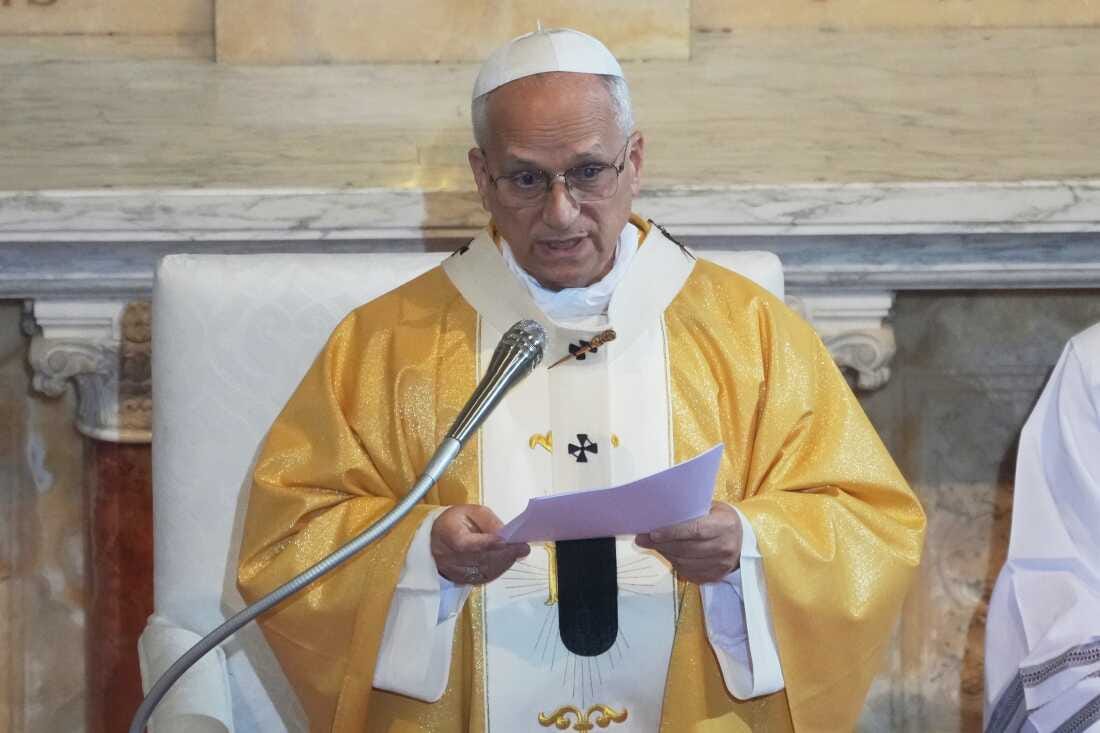
A papal visit to Cameroon is never just a visit. It is a mirror held up to a global institution, reflecting a dangerous paradox: how can a universal faith function when its center of power grows ever more distant from its center of vitality? In this deep dive, we dissect the architecture of institutional forgetting and map the path for the ‘Third Citizen’ to reclaim their agency.
Why Does Centralized Power Inherently Fear the Periphery?
The spectacle of Pope Leo’s arrival in Cameroon is a masterclass in institutional theater. The images broadcast globally are of unity, of a shepherd visiting his flock. But beneath the pageantry lies a more volatile truth, a question that haunts every centralized power structure in an age of decentralization. It is the friction between the map and the territory—the map being the carefully curated organizational chart in Rome, and the territory being the sprawling, dynamic, and profoundly self-sufficient faith of the so-called “periphery.” What happens when the people on the ground, the Third Citizen, realize that the center needs them far more than they need the center?
The answer is that the center panics. Because every empire, spiritual or secular, is built on a foundational myth: the myth of indispensability. The core must project an aura of unique authority, of being the sole source of truth, legitimacy, and order. But the periphery—the villages in Cameroon, the parishes in Brazil, the dioceses in the Philippines—is where faith is not an abstract doctrine but a tool for survival. It is messy, syncretic, and alive. And that life, that uncontrollable vitality, is an existential threat to the sterile order of the bureaucratic center. The center fears the periphery not because it is heretical, but because it is self-sufficient. It proves the center is a luxury, not a necessity.
