


You wake not to sunlight but to a chime you selected from a menu of approved sounds. Before your feet touch the floor, you have already performed three acts of submission: you obeyed the alarm, you checked a device that reported your location to unseen servers, and you scrolled a feed whose ordering principles were designed by engineers you will never meet. At breakfast, you clicked “Accept All” on a cookie banner—a ritual performed as reflex, because the alternative is a maze of grayed-out toggles and menacing warnings. At the office, you swiped a badge that logged your arrival time. In a conference room, you agreed to a plan you privately distrusted because everyone else had nodded first. Then you drove home along routes dictated by traffic algorithms, purchased groceries recommended by past purchases, and fell asleep streaming content selected by a recommendation engine.
You call this freedom. The 18th-century philosopher Jean-Jacques Rousseau would call it a cage you built yourself, painted to look like a garden.
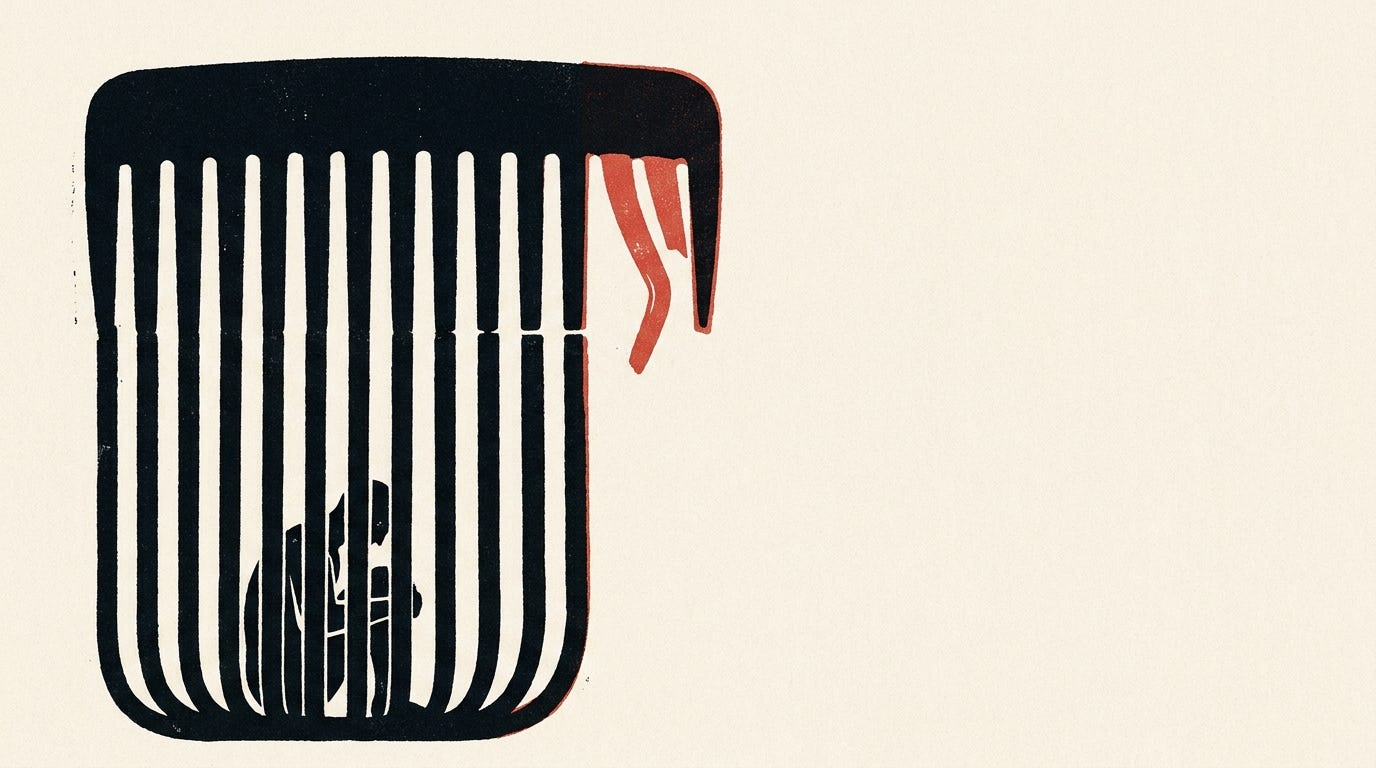
The Philosopher Who Saw the Chains
Jean-Jacques Rousseau was no prophet of chaos. He was a melancholic Genevan who watched the Enlightenment’s grand promises of reason and progress produce nothing but new forms of dependency. In 1762, he published The Social Contract, opening with the most honest line in political philosophy: “Man is born free, and everywhere he is in chains.” He did not mean literal iron. He meant the chains of institutions that demand our obedience while convincing us they serve our interests.
Rousseau’s central idea was simple and devastating. Humans, in a state of nature, were solitary and free—but also vulnerable. To survive, they formed societies. They created laws, governments, and institutions through an original contract: give up some natural liberty in exchange for security and community. That contract, properly executed, preserves freedom because each citizen obeys only laws they have consented to. But Rousseau saw that the contract had been corrupted. The powerful wrote the terms. The many merely signed. And then they forgot they had signed at all.
The deeper his insight: we do not obey institutions because we are forced. We obey because we have been conditioned to believe that obedience is natural, necessary, and even voluntary. The social contract became a machine that manufactures consent, then hides its own operation. Two centuries before advertising psychology, before algorithmic filtration, before corporate human resources departments, Rousseau diagnosed the disease: modern institutions do not coerce—they seduce. And the seduced come to love their chains.

