


We want the bad guys to fall. But when liberty is ‘gifted’ by foreign powers, it usually arrives with a price tag no society can afford. A look at the dangerous allure of regime change rhetoric.
Why does the promise of external salvation seduce us?
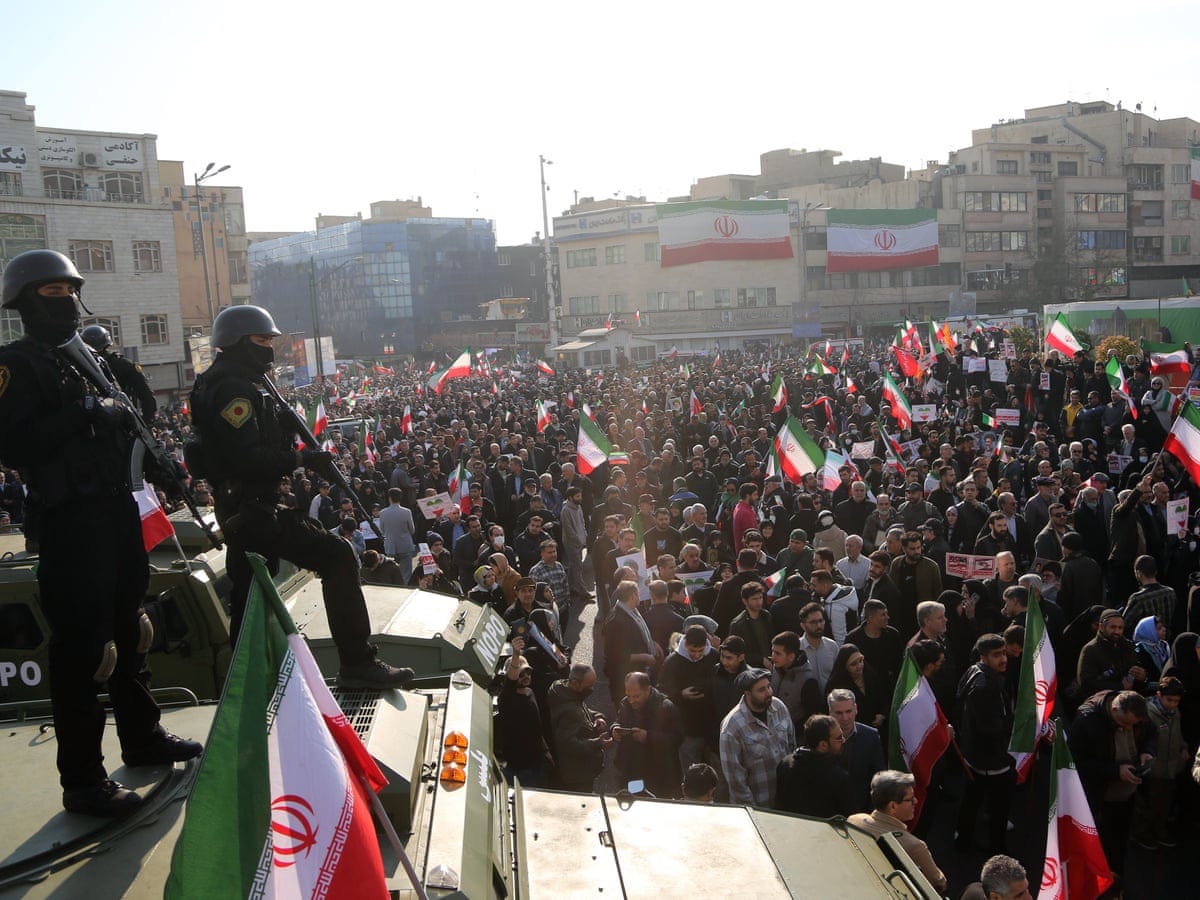
There is something deeply satisfying about the idea of a clean cut. A dictator is causing suffering; a powerful nation steps in, removes the cancer, and the body heals. I feel the pull of this narrative just as you do. When we see the reports of executions halted only by the sheer bravery of protestors, or hear the horrific statistics of those killed in the streets, our moral instinct screams for intervention. The recent calls for “new leadership” in Iran, framed as a humanitarian necessity, play directly into this instinct.
But we must be careful what we wish for. The philosopher Hannah Arendt warned us about the unpredictability of action when it enters the public realm. Violence, she argued, is mute; it destroys the capacity for speech and politics rather than creating it.
The practice of violence, like all action, changes the world, but the most probable change is to a more violent world.
– Hannah Arendt, On Violence
We are seduced by the savior narrative because it simplifies the messy, generational work of freedom into a blockbuster movie script. We want the climax without the context. But history is littered with the wreckage of nations that were “saved” by powers who understood ballistics far better than they understood the local culture.
Is the collapse of the state the same as the birth of a nation?
This is the question that keeps me up at night. The rhetoric we are hearing now—encouraging the takeover of institutions, hinting at support for a total systemic collapse—often conflates the end of a regime with the beginning of freedom. But look at the track record. When a state is dismantled from the outside, the result is rarely a spontaneous flowering of democracy. It is usually a vacuum.
The tragedy of intervention is that it often kills the patient to cure the disease.
In the absence of a state, pre-political loyalties return. Sectarianism, tribalism, and warlordism fill the gap left by the dictator. As Robespierre grimly noted during a different revolution, no one loves armed missionaries. When freedom arrives on the back of a foreign tank, it is not freedom; it is a new form of submission. The legitimacy of a government must rise from the bottom up, like sap in a tree. If you try to nail the leaves onto the branches from the outside, the tree will die.
Go Deeper
Step beyond the surface. Unlock The Third Citizen’s full library of deep guides and frameworks — now with 10% off the annual plan for new members.
How does the citizen reclaim agency without inviting the void?
So, where does that leave us? Are we to stand by and watch atrocities happen? No, but we must understand the nature of true power. Power that lasts is power that is claimed, not given. The Iranian people are currently engaged in the most difficult task a society can undertake: the reconstruction of their own legitimacy in the face of brute force.
Freedom is the right to tell people what they do not want to hear.
– George Orwell
And what we do not want to hear, here in the safety of the West, is that our help is often poisonous. The most effective way to support the “Third Citizen” in Tehran or Shiraz is to amplify their voice without drowning it out with our own geopolitical agendas. We must witness, we must document, and we must provide the technological means for them to connect. But we must not steal their revolution. The moment we make their struggle about us and our foreign policy, we hand the regime the perfect propaganda victory. The path to freedom is walked alone, by the people who live there. It is their burden, and their glory.