


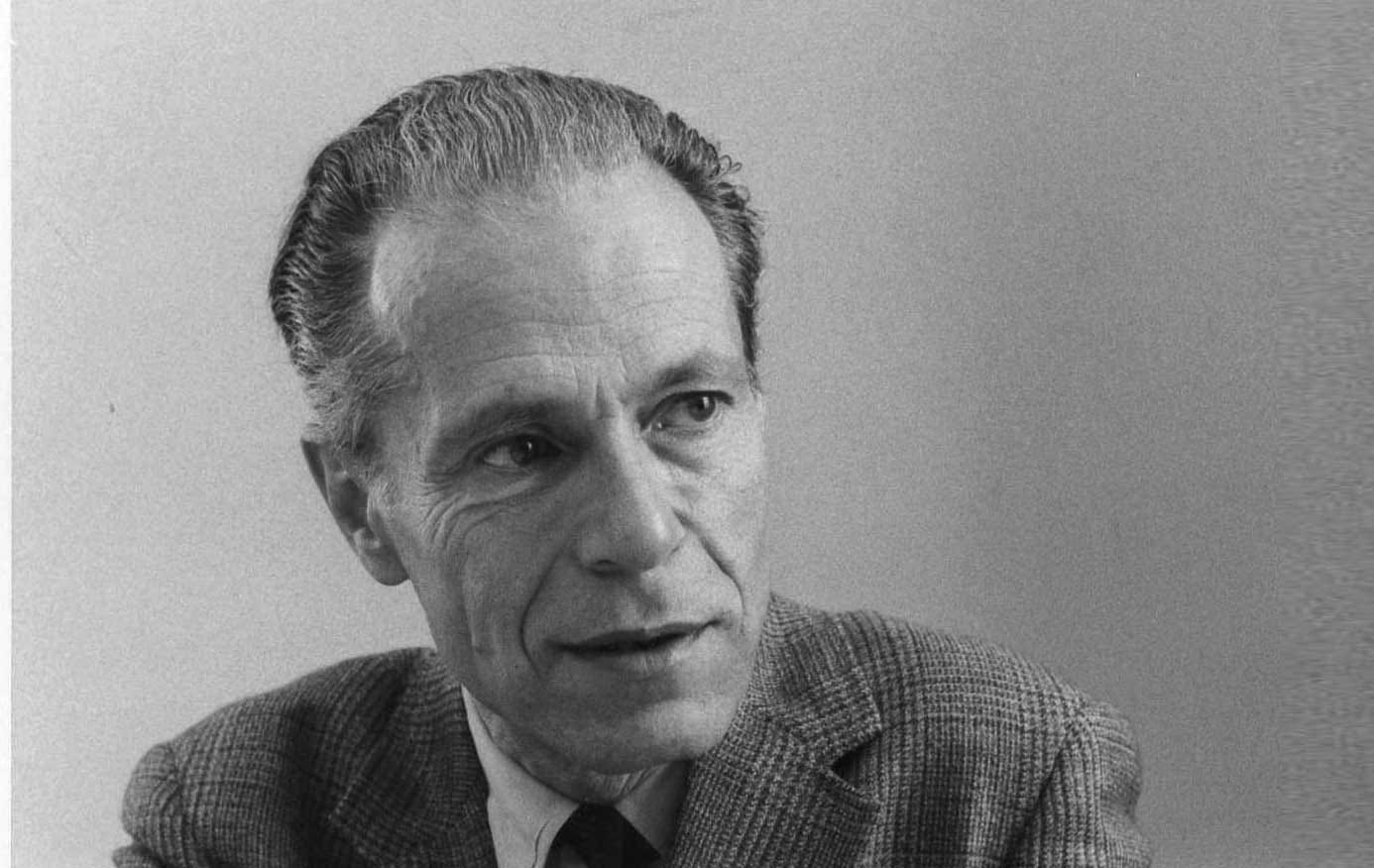
The application of Albert O. Hirschman’s Exit, Voice, and Loyalty (EVL) framework to modern political apathy and disillusionment provides a critical lens for understanding citizen engagement in contemporary democracies. Originally articulated in his 1970 work, Hirschman’s model posits three responses to dissatisfaction:
Exit: Individuals choose to withdraw from participation.
Voice: Individuals express grievances to influence change.
Loyalty: Individuals remain committed despite issues.
As political apathy has emerged as a notable phenomenon, particularly among youth, Hirschman’s insights are increasingly relevant in diagnosing the complex motivations underlying civic disengagement in today’s socio-political climate.
One of the penalties for refusing to participate in politics is that you end up being governed by your inferiors.
Plato
The contemporary context is marked by a significant decline in political engagement, particularly among younger demographics who often feel disconnected from traditional political processes. Factors such as negative social modeling from older generations, economic disillusionment, and the perceived ineffectiveness of electoral participation contribute to this trend.
Hirschman’s framework allows for a nuanced examination of how these disenchanted individuals navigate their political environments, either by exiting the political sphere or opting to engage in alternative forms of activism and protest.
Historical Context
Albert O. Hirschman’s influential work, Exit, Voice, and Loyalty, published in 1970, emerged during a period marked by significant political and social upheaval. The late 1960s and early 1970s saw widespread civil rights movements, anti-war protests, and increasing scrutiny of government policies, particularly in the United States and Europe.
Hirschman’s framework provided a novel perspective on how individuals respond to dissatisfaction within political and economic systems. Recent literature has sought to adapt the EVL model to various phenomena, including democratization, modernization theory, and the political resource curse. The growing body of work surrounding Hirschman’s ideas indicates a resurgence of interest, with over 30,000 citations recorded since the book’s publication.
Theoretical Foundations
Overview of the Exit, Voice, and Loyalty Model
The EVL model serves as a foundational framework for understanding political behavior. It posits that individuals confronted with undesirable changes in their environment have three potential responses. “Exit” refers to the choice to withdraw from the situation, while “voice” encompasses efforts to influence or persuade the government to rectify the unfavorable conditions. Loyalty denotes the choice to remain committed despite adverse circumstances.
Strategic Interdependencies and Power Dynamics
The application of the EVL model in political science emphasizes the strategic interdependencies that characterize power dynamics between citizens and their governments. A critical insight from the model is that when citizens possess credible exit threats, governments are more likely to voluntarily limit their predatory behaviors, thus fostering a more balanced power relationship.
Application to Modern Political Apathy
The phenomenon of political apathy in modern societies, particularly among the youth, can be examined through the lens of the EVL framework. This model provides insights into the behavior of citizens who face dissatisfaction with political systems, emphasizing the choices individuals make in response to perceived deficiencies in governance.
The worst illiterate is the political illiterate. He hears nothing, sees nothing, takes no part in political life. He doesn’t seem to know that the cost of living, the price of beans, of flour, of rent, of medicines all depend on political decisions.
Bertolt Brecht
Understanding Political Apathy
Political apathy is often characterized by a lack of engagement in traditional political processes such as voting. Empirical studies indicate that significant segments of the American population exhibit considerable political apathy, particularly among younger demographics. Research suggests that what may appear as apathy often stems from a profound interest in public policy issues; however, this interest does not translate into electoral participation due to feelings of disconnection from the political system and the belief that their voices are not heard.
Factors Influencing Apathy
Social Modeling: The influence of parents and older generations plays a critical role in shaping political attitudes.
