The Missionary’s Curse: What the OpenAI Lawsuit Reveals About the Corruption of a Noble Cause

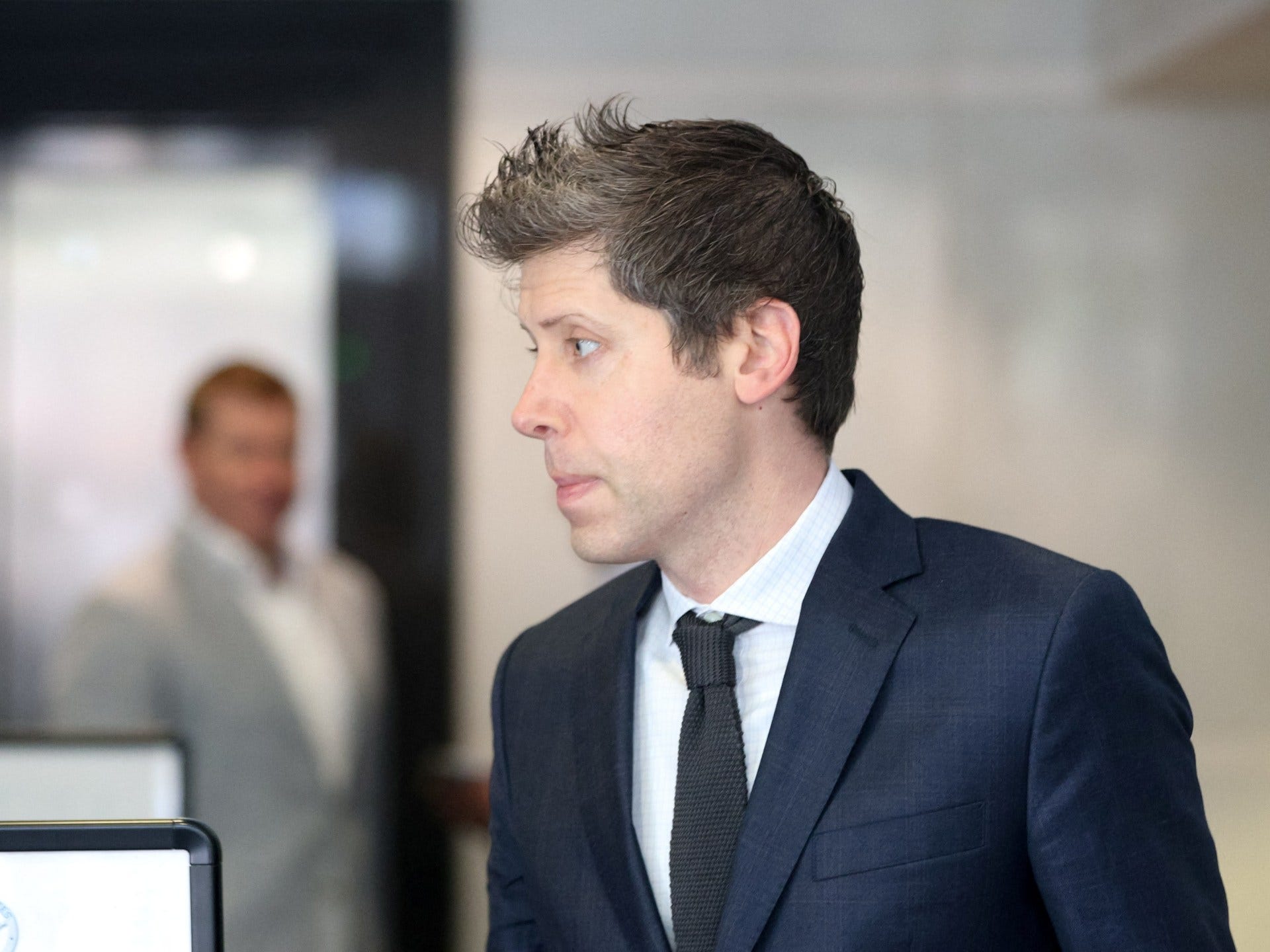
This lawsuit isn’t about one billionaire versus another. By examining three historical betrayals—a colonial mission, an environmental movement, and now an AI lab—we can dissect the eternal pattern of how pure ideals are conquered by capital. This is the autopsy of a promise.
Exhibit A: The Society for the Propagation of the Gospel
Consider a scene from the late 19th century. A missionary society, founded on the unimpeachable goal of bringing salvation and literacy to the farthest corners of the globe, sets sail. Its charter is pure, its benefactors are devout, and its members are fueled by a belief in a higher purpose. They build schools and hospitals. But to fund this noble work, they must solicit donations from industrialists, secure land grants from colonial administrators, and make concessions to state power. Slowly, imperceptibly, the mission changes. The goal is no longer just salvation, but the assimilation of a population into an economic empire. The language of charity becomes the language of control. The society, which began as an instrument of God, becomes an instrument of the Crown, its initial promise a forgotten relic of its founding documents. This is not a story of individual moral failure, but of a structural inevitability. This is the missionary’s curse.
Exhibit B: The Earth Protectors Alliance
Now, fast forward to the 1980s. A radical environmental group emerges, born from protest and a fierce commitment to preserving the wild. Their mission is to be a voice for the voiceless planet, uncompromised by corporate influence. They chain themselves to trees and disrupt shareholder meetings. But lawsuits drain their funds, and media attention requires a professional PR team. To survive, they begin accepting donations from “green-minded” corporations. They trade their protest signs for seats at the table in Davos. The language of radical protection shifts to the language of “sustainable development” and carbon credits. The goal is no longer to dismantle the system destroying the planet, but to lobby it for incremental change. The organization, founded in opposition to capital, becomes its dependent, its teeth filed down to a harmless smile. Another noble cause, another slow surrender.
These two stories, separated by a century, seem unrelated to the legal drama unfolding in a California courtroom over a company building artificial intelligence. But they are the same story. They are the essential prelude to understanding what is truly at stake in the lawsuit between Elon Musk and OpenAI.