


A deep guide written from the perspective of 2075, dissecting the precise moment our modern economic order began to collapse. This is an autopsy of the interconnected failures—inflation, geopolitical theater, and energy scarcity—that plunged the world into a new dark age.
A Dispatch from 2075: The Year the Music Died
From here in 2075, it is difficult to explain the specific strain of willful blindness that afflicted the people of the mid-2020s. They saw the storm gathering, yet they clutched their umbrellas and spoke of passing showers. We in the archives call it the ‘era of broken signals,’ a time when every alarm was ringing but the political and economic class simply chose to hear it as background noise. They saw consumer inflation climb past 4%, a number that was not a statistic but a thief in every home, silently expropriating the future. They watched their leaders return from summits with empty hands, mistaking theatrical handshakes for geopolitical strategy. They saw interest rates on sovereign debt—the very bedrock of their financial system—begin to tremble, and they dismissed it as market volatility.
This wasn’t just a failure of policy; it was a failure of imagination. They could not conceive that the world they had built, a world of frictionless trade, cheap energy, and boundless consumption, was a historical anomaly. They believed the music would play forever. We know now it was the final song before an abrupt and devastating silence. They were standing at the precipice of the Long Winter, and they didn’t even bring a coat.
The Three Horsemen of the Unraveling: Devaluation, Disintegration, and Depletion
Looking back, the collapse was not a single event but a convergence of three forces they foolishly analyzed in isolation. First was the Great Devaluation—the inflation that their central banks first called ‘transitory’ and then ‘manageable.’ It was neither. It was a calculated demolition of savings and an invisible tax on the citizenry to service unpayable state debts. What they called ‘inflation’ was, in reality, a declaration of default on the social contract. It was the state admitting, in the coded language of monetary policy, that the promises made to its people would not be kept.
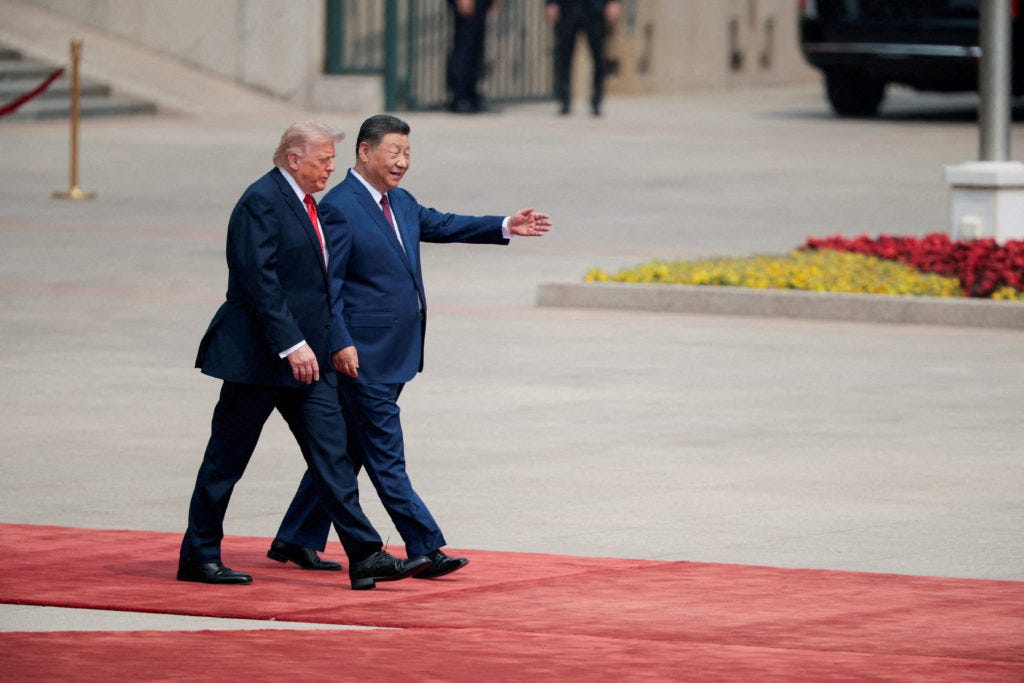
Second was the Final Disintegration of the globalist project. The Trump-Xi summit was the perfect symbol of this decay. It was pure political theater designed to soothe markets, but the markets were no longer gullible. The lack of any real agreements on critical exports was a clear signal that the era of mutually beneficial trade was over. The new game was national survival. Global supply chains were no longer assets; they were vulnerabilities. Interdependence was no longer a strength; it was a hostage situation.
Finally, there was Depletion. The persistent energy crisis, exacerbated by the grinding war in Iran, was not a temporary shock. It was the moment the hard math of geology collided with the fantasy of infinite growth. High energy prices were not a bug in their system; they were a core feature of a world that had hit its physical limits. These three horsemen didn’t arrive one by one. They rode together, and they trampled the world the people of 2026 thought was permanent.
You’ve read the diagnosis from the future. The rest of this dispatch dives deep into the anatomy of the collapse—and the frighteningly simple principles required to navigate the world that came after. To continue this journey, become a paid subscriber. The clarity is worth the price of admission.

Thesis: The Grand Illusion of Hyper-Globalization
To truly understand why they were so blind, you must grasp the quasi-religious faith they placed in what we now call Hyper-Globalization. The thesis, unchallenged for nearly three decades, was simple: economic entanglement would inevitably lead to peace and prosperity. By weaving nations together in a web of commerce, they believed they could render obsolete the ancient demons of war and tribalism. Companies like Boeing were not just corporations; they were ambassadors of a new world order where market access was more potent than military might. A rising tide, they chanted, lifts all boats.
