

The Karmic Machine: How Your Lunar Nodes Keep You Trapped in Your Past

It’s 11:13 PM. The blue light of your phone is the only thing illuminating your face, casting a ghastly, modern pallor. You’re not connecting with friends. You’re not reading the news. You are engaged in a digital séance with a ghost: the ghost of you. You are scrolling through a “memory” that your device has so helpfully surfaced. A picture from five years ago. There you are—different hair, different apartment, smiling with someone who is now a stranger. A phantom pang, not quite nostalgia, not quite regret, echoes in your chest. You tap on their profile. You know you shouldn’t. And for ten, twenty, forty minutes, you fall through the wormhole of a life that is no longer yours, examining the artifacts of a dead self.
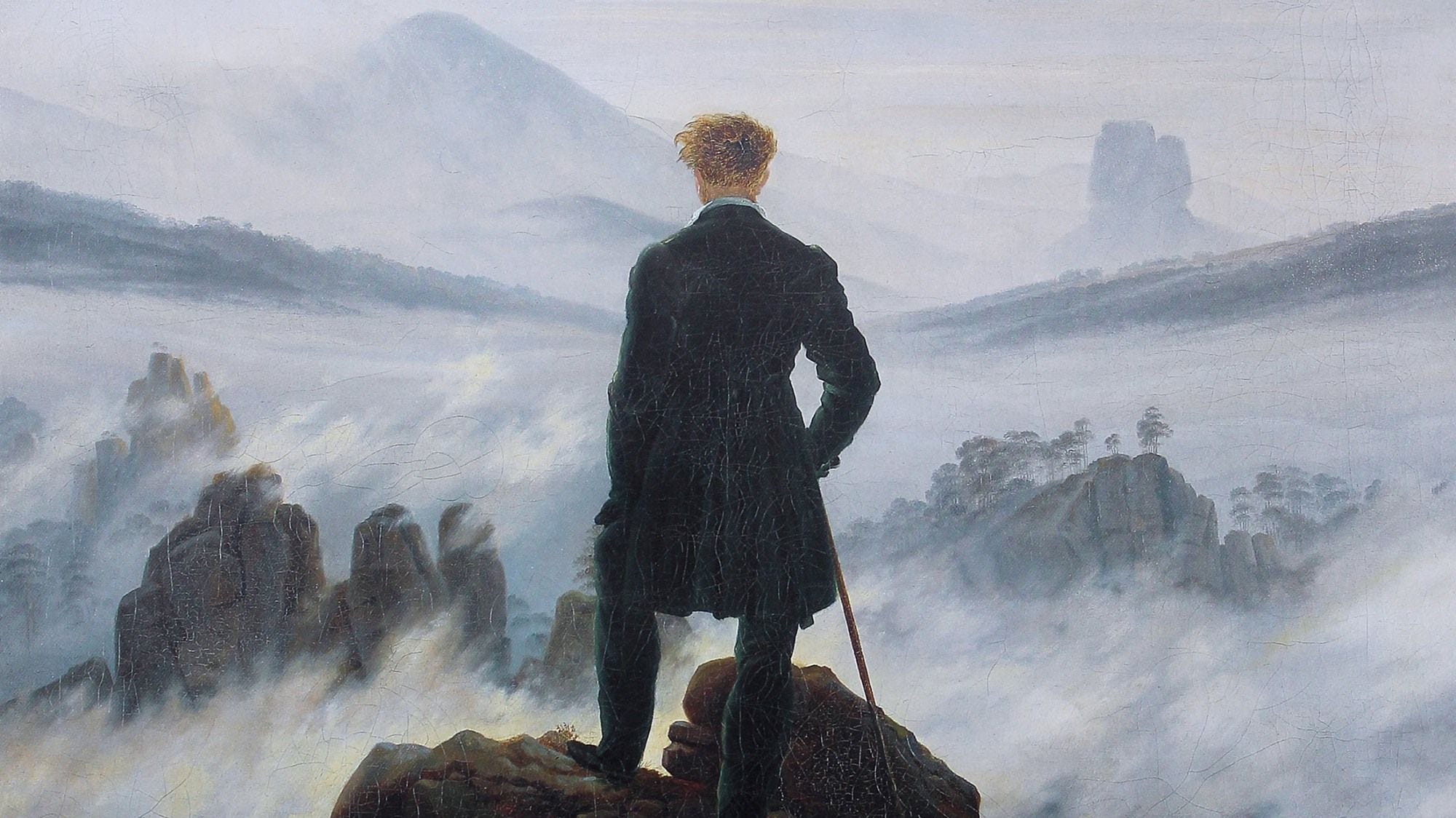
Or perhaps you’re on the astrology app, the one that knows your birth time to the minute. It tells you today is a day for introspection, that your South Node in Scorpio is being activated. The South Node, it explains, is your karmic past. It’s your comfort zone, your talent, and your prison. It’s the set of patterns you mastered in a past life and now repeat on a loop. You read the description of your own personal karmic trap, and a chilling sense of recognition washes over you. It feels true. It feels seen. The app has given you a beautiful, intricate vocabulary for your own stagnation. You have just been handed the schematics to your own cage, and you’ve mistaken it for a map to freedom. This is the new, self-inflicted crisis of the modern soul: an obsessive, backward-looking gaze, armed with esoteric language and powered by digital technology, that keeps us perfectly, beautifully, stuck.

The Man Who Heard the Cracks
Long before the first notification icon ever blinked for our attention, a lonely Dane diagnosed the sickness. Over 150 years ago, in the rain-slicked streets of Copenhagen, Søren Kierkegaard saw the future of our inner lives. He wasn’t a psychologist or a sociologist; he was a philosopher of the soul, a thinker who stared so intently at the human condition that he could see the hairline fractures forming in the foundation of the modern self. He saw a new
