


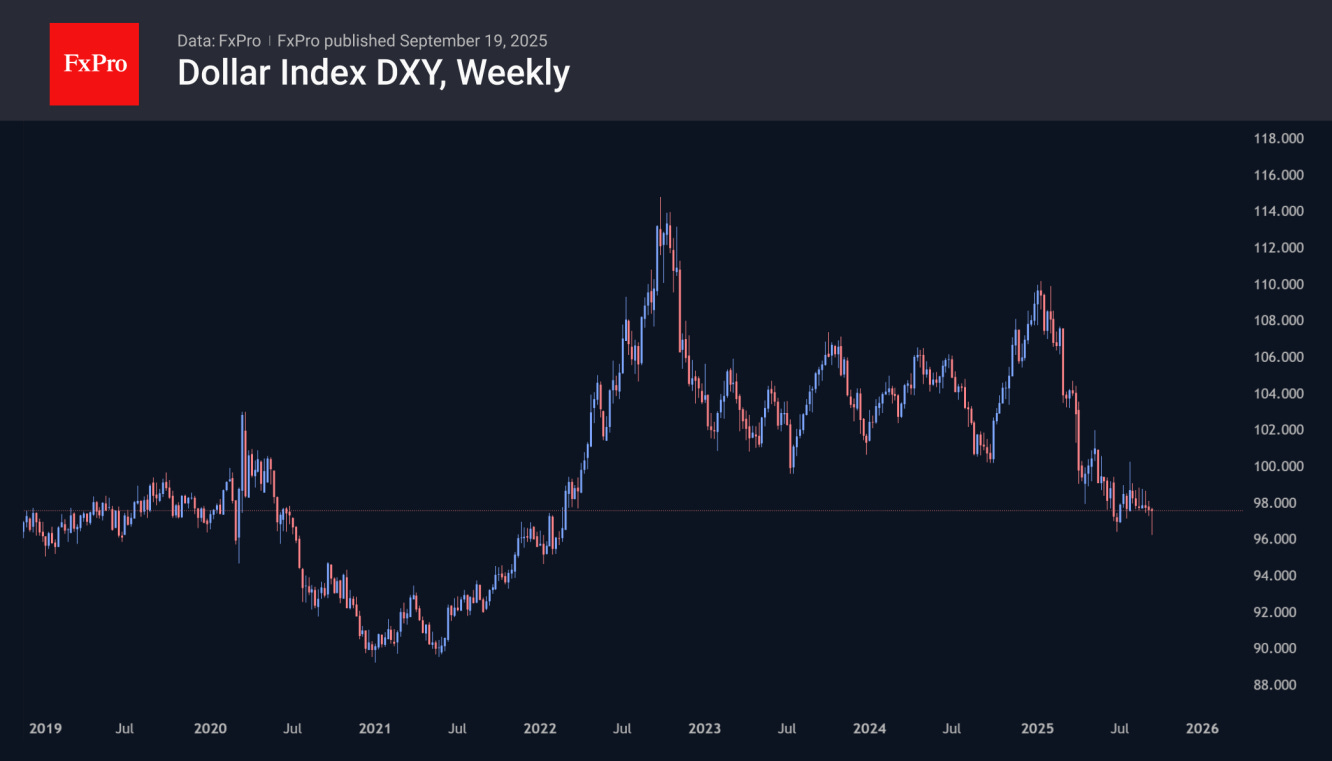
The dollar just had its worst year in almost a decade. This isn’t just about forex markets; it’s about the silent theft of your labor through currency devaluation. Here are the three hard questions we need to ask right now.
The Morning After the Crash
We woke up on January 2, 2026, to a headline that sounded like good news: the dollar rose 0.2%. But let’s be honest with ourselves. That tiny bump is a bandage on a bullet wound. We just lived through a 9.4% drop in the dollar’s value in 2025—the worst performance in eight years. While we were distracted by the holidays, nearly a tenth of the global purchasing power of our currency evaporated. It reminds me of a chilling insight from John Maynard Keynes, who understood exactly what was happening when a government debased its currency.
By a continuing process of inflation, governments can confiscate, secretly and unobserved, an important part of the wealth of their citizens. There is no subtler, no surer means of overturning the existing basis of society than to debauch the currency.
– John Maynard Keynes, The Economic Consequences of the Peace
Question 1: Who Is Actually Paying for the ‘Stimulus’?
This brings me to the first uncomfortable question: Who pays the bill? We hear about fiscal deficits and “Fed independence” as if they are abstract concepts. They aren’t. They are mechanisms of transfer. When the Fed risks skewing dovish because of political pressure—something Goldman Sachs is warning about right now—they are essentially prioritizing short-term political comfort over the long-term value of the money in your pocket. The most dangerous form of taxation is the one that happens without a vote, disguised as ‘economic policy’ but felt as the slow erosion of your life’s work. We are watching the Euro climb ($1.1725) and the Yen struggle, but the real story is that our own yardstick for value is shrinking.
Question 2: Is ‘Safety’ the Most Dangerous Place to Be?
The second question is about where we hide. For decades, the US dollar was the safe haven. If the world was on fire, you bought dollars. But what happens when the fire is inside the house? With trade wars heating up and the global economy entering 2026 with uncertain momentum, the old rules are breaking. Staying in cash feels safe, but it’s a trap. We are like the frog in the boiling water, only the heat is the slow, grinding devaluation of our savings.
The state is that great fiction by which everyone tries to live at the expense of everyone else.
– Frédéric Bastiat
We are realizing that the state’s management of money is often just a way to shift the burden of its mistakes onto us.
Go Deeper
Step beyond the surface. Unlock The Third Citizen’s full library of deep guides and frameworks — now with 10% off the annual plan for new members.
Question 3: What Are You Going to Do About It?
This is the final, and most personal, question. We can’t fix the Federal Reserve. We can’t stop the trade wars. But we can stop being passive victims. The volatility we are seeing—and the low liquidity that made the start of 2026 so rocky—is a signal. It’s a signal that we need to take our financial sovereignty seriously. If the dollar is going to be a rollercoaster, you need to build a foundation that doesn’t rely on it. Whether that’s owning hard assets, learning new skills, or simply refusing to keep all your eggs in the fiat basket, the time for blind trust in the system is over. The dollar’s rocky road is a warning. Are you listening?