


They promise the war will be short, but the financial bleeding has already begun. Here is how you and I can stop waiting for political saviors and start building local economic fortresses.
The Silent Confiscation
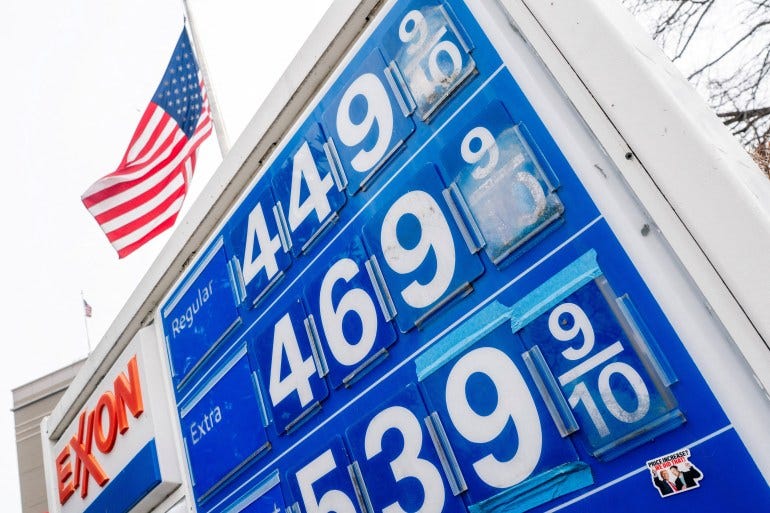
You stand there, gripping the cold metal of the gas pump, watching the digital display blur past $3.54. It is a mundane, almost agonizingly normal setting, but what is happening to you in that moment is an act of geopolitical violence. You are being taxed for a war you did not declare, in a land you may never see, to secure interests that do not serve you. The 19 percent surge in fuel costs since the skies over Iran caught fire is not a glitch in the market. It is a feature of the system. We are told by the architects of this chaos that the hazard will be short-lived, a temporary blip on the radar of our prosperity. But you and I know the truth: the state is exceptionally skilled at creating permanent costs from temporary crises.
The Architecture of Exploitation
The upcoming midterms will try to convince you that this is a partisan issue, a failure of one side of the aisle over the other. But the pain we are feeling is bipartisan. It is the predictable outcome of a global order that prioritizes the projection of power over the peace of the domestic household. The ultimate act of political defiance today is not a vote or a protest, but the quiet, unyielding construction of a life that does not require their permission or their petroleum to function. We are trapped in a feedback loop where our daily labor pays the premium for global instability.
The global economy is built on the principle that one place can be exploited, even destroyed, for the sake of another place.
– Wendell Berry
We are the place being exploited to fuel the machinery of a distant conflict. The world leaders bracing for recession know exactly what is coming; they are simply hoping we remain too distracted to build our own lifeboats.
The Framework: From Consumer to Practitioner
We have to stop looking upward for a solution. The state will not rescue us from the consequences of its own adventurism. We must adopt what I call the Sovereign Hearth framework. This means looking at your home, your neighborhood, and your daily commute not as inevitable realities, but as variables you can control.
Whether the mask is labeled fascism, democracy, or dictatorship of the proletariat, our great adversary remains the apparatus—the bureaucracy, the police, the military.
– Simone Weil
The apparatus wants you dependent on its supply chains. To break free, we have to recognize that every time we find a way to avoid the pump, we are not just saving a few dollars; we are reclaiming a fraction of our sovereignty.
Go Deeper
Step beyond the surface. Unlock The Third Citizen’s full library of deep guides and frameworks — now with 10% off the annual plan for new members.
The Tactics of Delinking
This is where philosophy must become sweat and logistics. Moving from confusion to action means drawing a hard line in the sand regarding your household economy. Here is the toolkit we must begin to employ:
Audit Your Attrition: Sit down tonight and map exactly where your energy dollars go. How much of your commute is habit rather than necessity? Every mile driven unnecessarily is a voluntary contribution to a failing foreign policy.
Build the Micro-Network: Talk to your neighbors. Formalize a carpool. Share the burden of grocery runs. This isn’t about being neighborly in a 1950s sitcom way; this is about building a localized supply chain that is resistant to Middle Eastern shockwaves.
Pivot to Analog Autonomy: Invest in ways to heat your home or power your life that do not rely on the global energy market. Even small steps, like securing alternative heating methods or insulating aggressively, are profound acts of secession from the chaos.
Let them have their short-lived wars. We have long-term survival to build.