


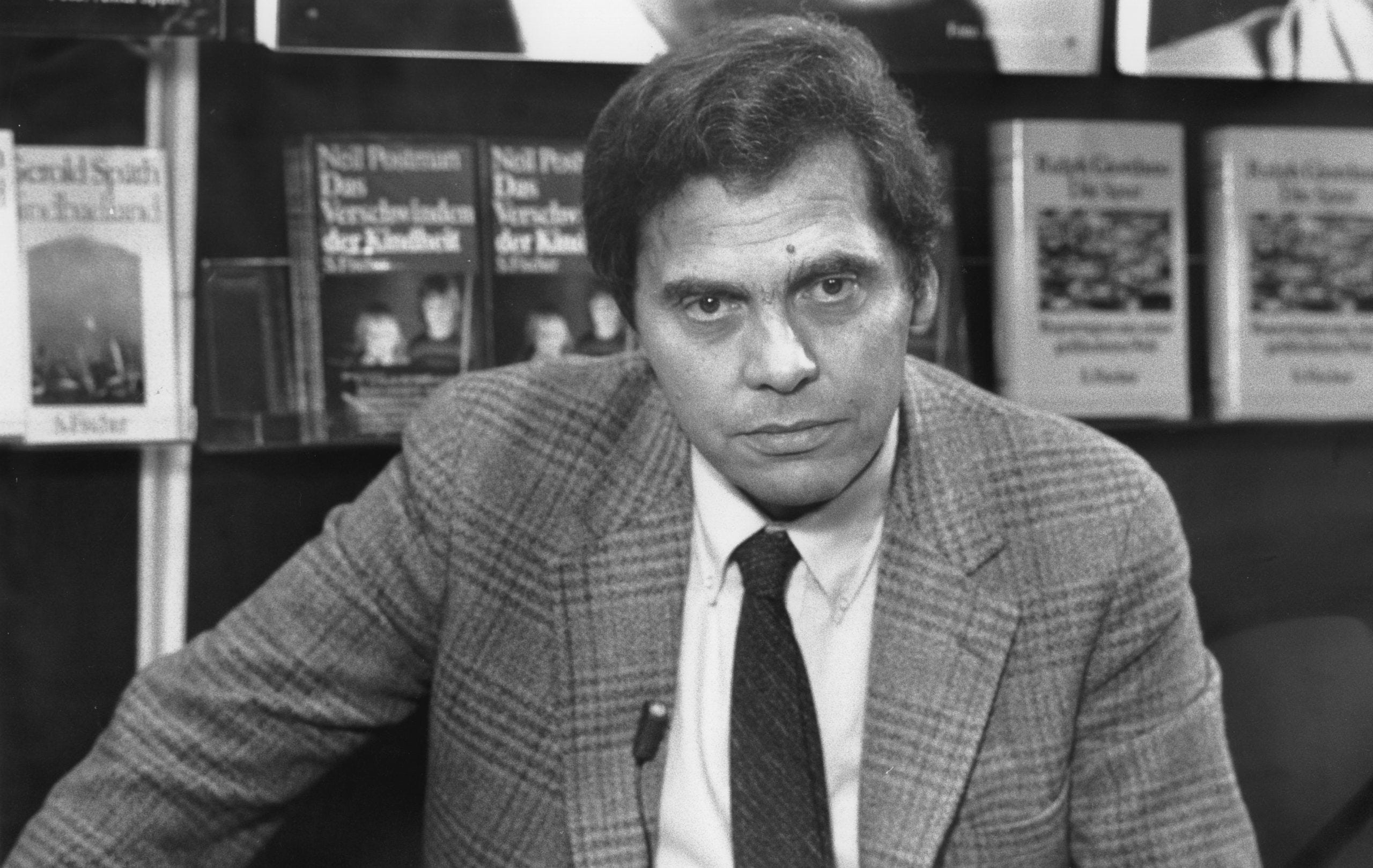
Neil Postman, a prominent media theorist and educator, profoundly explored the implications of collapsing information hierarchies on the definitions of childhood and adulthood. In his seminal work, The Disappearance of Childhood (1982), Postman argued that the rise of electronic media and the democratization of information have blurred the lines traditionally distinguishing these developmental stages.
He contended that children today are increasingly exposed to adult themes and responsibilities, resulting in the premature erosion of childhood innocence and a reconfiguration of societal expectations regarding maturity and adulthood.
We shape our tools and afterwards our tools shape us.
Marshall McLuhan
The Disappearance of Childhood
Postman’s central thesis contends that as information hierarchies collapse due to the democratization of media, children are increasingly thrust into adult realities. This compromises their innocence and unique developmental needs. In pre-literate societies, children were viewed as “miniature adults,” expected to assume adult roles early on. Postman warned that we are mirroring this in contemporary culture, where the behaviors, language, and appearances of adults and children have become increasingly indistinguishable.
This phenomenon forces us to ask critical questions:
How do we preserve childhood as a distinct phase of development?
What is the role of education in fostering a safe environment amidst this shift?
How does the “epistemology of television” alter our understanding of knowledge?
The Concept of Information Hierarchies
Postman asserts that a clear understanding of what it means to be an adult is inherently linked to the concept of information hierarchies. These structures previously guided individuals in their roles as adults by controlling access to knowledge. However, the transition from print-based media to television—and now the internet—has led to a significant shift.
As information becomes more accessible and less structured, the boundaries that once helped define maturity and responsible citizenship are eroded. This results in a cultural landscape where critical thinking and informed decision-making are often diminished.
The direction in which education starts a man will determine his future life.
Plato
Psychological Implications and Emerging Adulthood
Postman’s analysis situates this phenomenon within the broader context of emerging adulthood. Pivotal life events—such as graduating from school and moving away from home—now occur against a backdrop of pervasive media influence. Research indicates that such life events often correlate with changes in personality traits, including:
Increased emotional stability
Agreeableness
Conscientiousness
However, the psychological ramifications of collapsing hierarchies extend beyond individual perception. Postman suggests that the inability of goal hierarchies to mature properly is linked to personality deficits. Without robust information hierarchies, individuals may struggle to form coherent identities, which are essential for fulfilling adult roles in society.
Societal Consequences and Mental Health
The implications of this erosion are multifaceted. Scholars suggest that the accessibility of information through various media has led to the reconfiguration of childhood experiences, contributing to the rise of body image issues among adolescents. The pervasive influence of social media has introduced a culture of comparison and social validation, fostering mental health issues such as anxiety and depression among the youth.
Critics and researchers note that while digital literacy is crucial for helping young people navigate the complexities of information consumption, many educational systems struggle to keep pace with rapid technological advancements.
Educational Challenges in a Digital Age
Postman’s critiques extend deeply into educational practices. He advocates for a return to more humane, engaging forms of education that prioritize critical thinking and creativity over rote learning. By situating his theories within the context of early childhood education, Postman emphasizes the importance of preserving spaces for unstructured play and exploration.
In this new media landscape, the importance of digital literacy education cannot be overstated. There is an urgent need for governments, health authorities, and educators to address the gaps in media education to mitigate the negative consequences associated with collapsing information hierarchies.
Education is not preparation for life; education is life itself.
John Dewey
Critique and Contemporary Relevance
Neil Postman’s work has generated considerable debate. Critics argue that his characterization of media users as passive consumers oversimplifies the complexities of contemporary communication, particularly the interactive nature of social media platforms. While Postman warned of information overload, some scholars advocate for a more nuanced understanding of how individuals actively navigate and engage with information in a digital landscape.
Despite these debates, Postman’s insights remain crucial. His assertion that the clarity and seriousness of communication diminish as the entertainment value of information increases seems increasingly relevant in an age where social media governs interaction. Ultimately, Postman’s work serves as a lens through which to examine the impact of media on our understanding of adulthood, urging a reevaluation of the boundaries that define both childhood and the responsibilities of maturity in an increasingly interconnected world.