


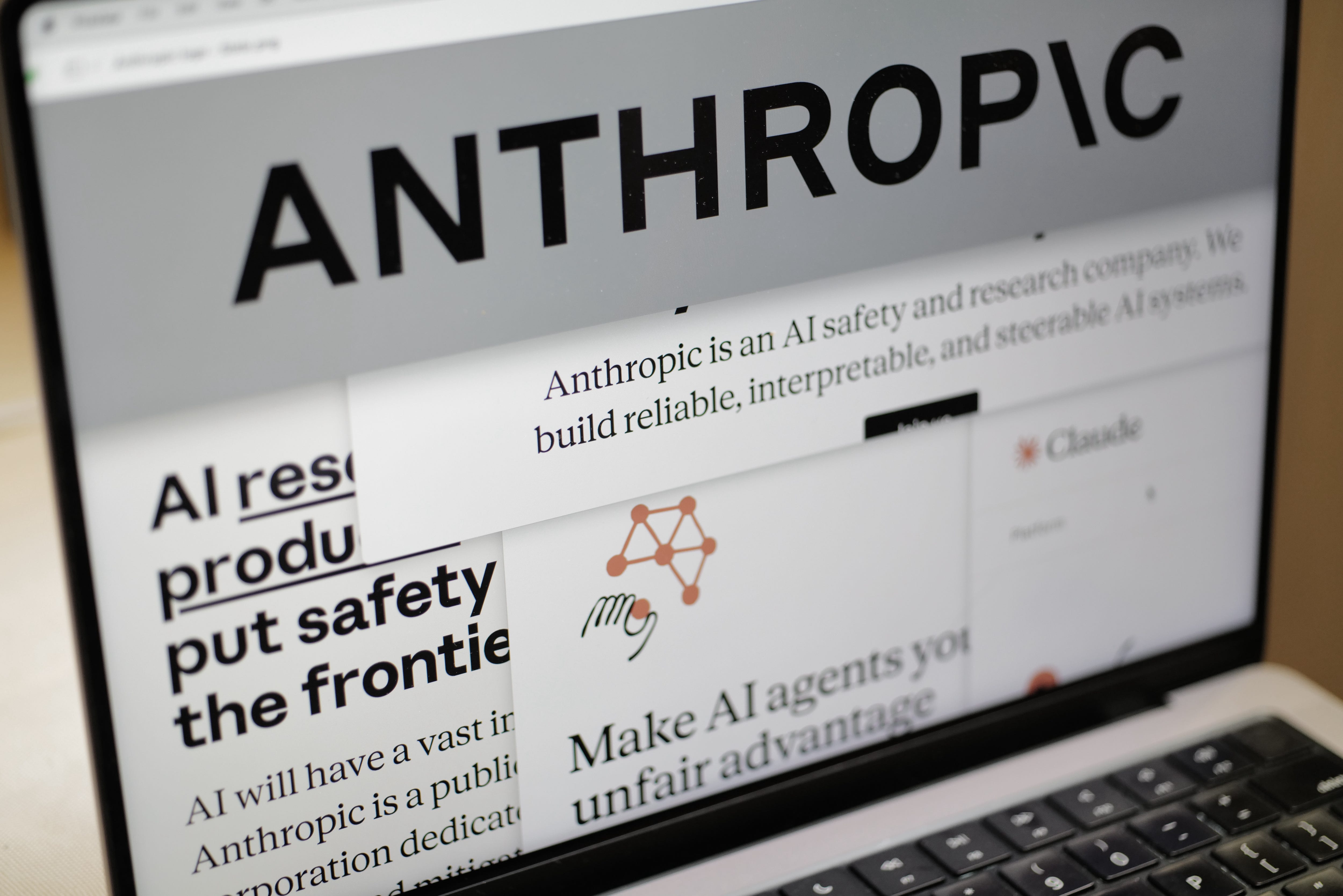
Anthropic is fighting the Defense Department over who controls AI weapons. Here is why the tech elite’s supposed moral high ground is just as dangerous as the military’s blind ambition.
Clinical Symptom: The Brass Revolts Against the Bureaucracy
I want you to look closely at the player roster in the upcoming March 24th hearing in San Francisco. You have Anthropic, a company that builds machines that think, suing the U.S. Defense Department. You have Defense Secretary Hegseth slapping a supply chain risk label on them because they will not hand over the keys to their Claude model for unrestricted military use. But the truly jarring symptom is the backup: Microsoft and twenty-two retired top military leaders have thrown their weight behind the tech company. When the retired brass aligns with Big Tech against the active Pentagon, you are no longer looking at a legal dispute. You are looking at a mutiny over who actually owns the future of American power.
Systemic Diagnosis: A Game Where the Citizen Always Loses
Let us strip away the PR talking points about soldier safety and rule of law and look at the actual game theory at play. We are witnessing a devastating transfer of sovereignty, where the state realizes it is entirely dependent on private companies for the cognitive infrastructure of modern war. The Pentagon desperately needs AI to outmaneuver adversaries like Iran, but they lack the competence to build it. Anthropic holds the leverage and is attempting to enforce its own moral parameters. But do not mistake Anthropic for a savior. The diagnosis here is that the American public has been completely cut out of the loop. We are leaving the ethics of automated killing to be negotiated in private boardrooms and civil courts. We have outsourced our collective conscience to an algorithm.
Terminal Prognosis: The Mercenary Cloud
If we look back through history, outsourcing the violence of the state never ends well for the republic. History suggests the next move is the emergence of a Mercenary Cloud. If tech companies successfully assert the right to dictate how their tools are used in war, they effectively become unelected sovereign actors with veto power over national defense. Alternatively, if the Pentagon crushes them, we get a military apparatus operating black-box AI that no citizen can audit or understand. In either scenario, the machinery of war becomes frictionless, invisible, and utterly divorced from democratic consent. We will find ourselves in conflicts engineered by machines, justified by machines, and executed by machines, with human beings merely acting as the collateral damage.
Go Deeper
Step beyond the surface. Unlock The Third Citizen’s full library of deep guides and frameworks — now with 10% off the annual plan for new members.
Radical Prescription: Revoking the Tech Autonomy
We cannot cure this by cheering for one side over the other. Relying on tech billionaires to protect us from the military-industrial complex is a dangerous hallucination. The prescription must be a brutal reassertion of human, democratic control. If we are going to use AI in warfare, the parameters must be fiercely debated in the open, codified by elected representatives, and subject to agonizingly strict human oversight. We have to inject friction back into the system. A society that makes it easy for a machine to pull the trigger has already accepted its own moral defeat. We must demand a total firewall between commercial tech and military kill chains, before the algorithm decides we are the supply chain risk.