

The Cost of Complacency: How Geopolitical Tides Drown the Everyday Economy?

Geopolitical turbulence, exemplified by the Iran conflict, swiftly translates into tangible economic burdens for households. This piece explores how investor complacency and a collective lack of foresight amplify these shocks, challenging citizens to reclaim agency amidst elite-driven volatility.
The Unseen Currents Dragging Our Wallets Down
Have you felt it? That creeping unease at the gas pump, the subtle but undeniable hike in your grocery bill? What often feels like a sudden, inexplicable tightening of the belt is rarely random. Right now, it’s the direct consequence of surging oil prices, inflamed by the intensifying conflict in Iran. As a citizen, I find myself observing how easily we accept these seismic shifts, often attributing them to forces beyond our comprehension. Yet, what we’re witnessing is more than just geopolitics; it’s a stark revelation of our collective economic vulnerability.
JPMorgan strategists recently pointed out a pervasive investor complacency, a kind of collective shrug at the profound systemic risks that underpin our entire financial system. This isn’t just about distant markets; it’s about the very real dollars and cents disappearing from your wallet and mine. We are paying the price for a lack of foresight, both by those at the top and, dare I say, by ourselves in our passive acceptance.
The Echo of Distant Cannons in Our Daily Lives
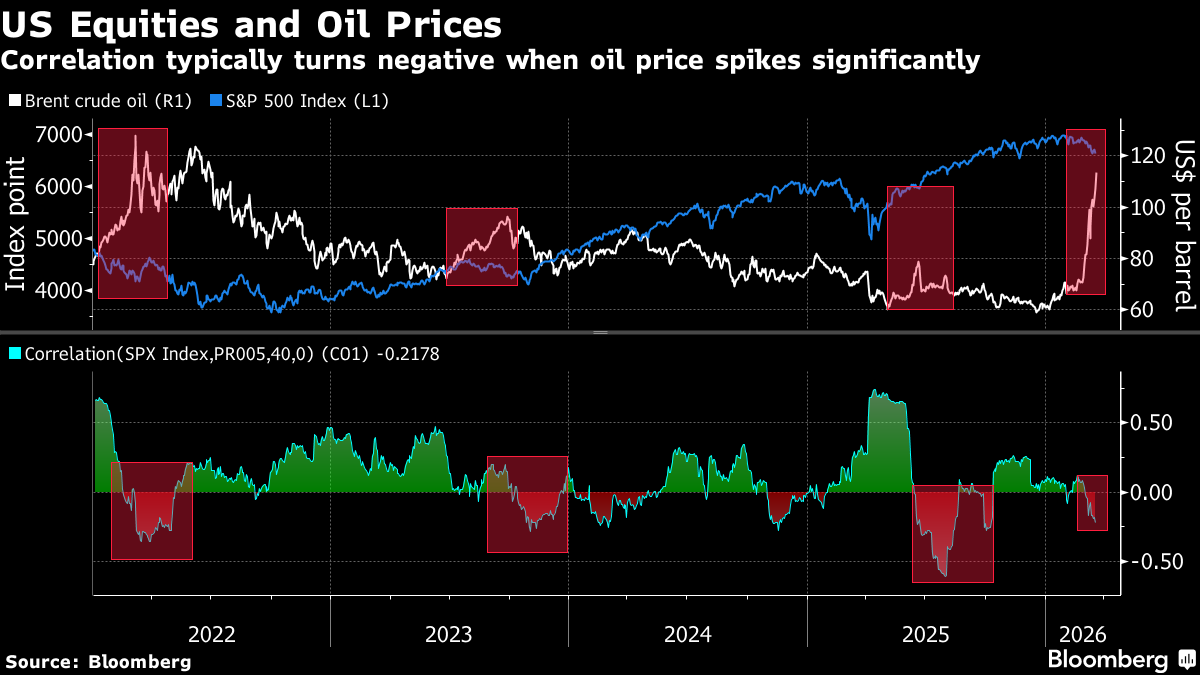
Think about it: when major indexes like the Dow and S&P 500 tumble, and the tech giants we admire shed billions in a day, it isn’t contained to trading screens. These tremors ripple through global supply chains, affecting everything from the cost of shipping goods to the availability of certain products. The correlation between oil price spikes and equity losses is not an academic curiosity; it’s a direct threat to our economic stability. Our global economy, optimized for maximum efficiency, has become dangerously brittle, leaving little room to absorb shocks.
The ultimate tragedy is not the oppression and cruelty by the bad people but the silence over that by the good people.
– Martin Luther King Jr.
While King spoke of moral silence, I believe a similar complacency pervades our economic understanding. We often remain silent, or at least passive, as these distant geopolitical decisions translate directly into domestic economic distress. The initial tremor in a volatile region quickly becomes a burden on every household budget.
Go Deeper
Step beyond the surface. Unlock The Third Citizen’s full library of deep guides and frameworks — now with 10% off the annual plan for new members.
From Passive Observer to Economic Citizen
The feeling of powerlessness in the face of these macroeconomic forces is understandable, yet it is precisely this feeling that we must challenge. While you and I may not be able to broker peace deals, we can absolutely reclaim agency in our economic lives. Our collective complacency is the fertile ground for elite-driven volatility. How do we do this? It starts with a conscious shift away from total reliance on brittle global systems.
Consider advocating for and investing in local energy solutions, strengthening community-level supply chains, and supporting businesses that prioritize local resilience. These aren’t just feel-good initiatives; they are strategic bulwarks against external shocks. As the Czech dissident Václav Havel once wrote, “Hope is not the conviction that something will turn out well, but the certainty that something makes sense, regardless of how it turns out.”
In that spirit, investing in local energy, resilient supply chains, and community-rooted businesses isn’t naïve optimism—it’s grounded pragmatism. It’s the deliberate choice to build systems that make sense in a world where fragility has been exposed time and again.