


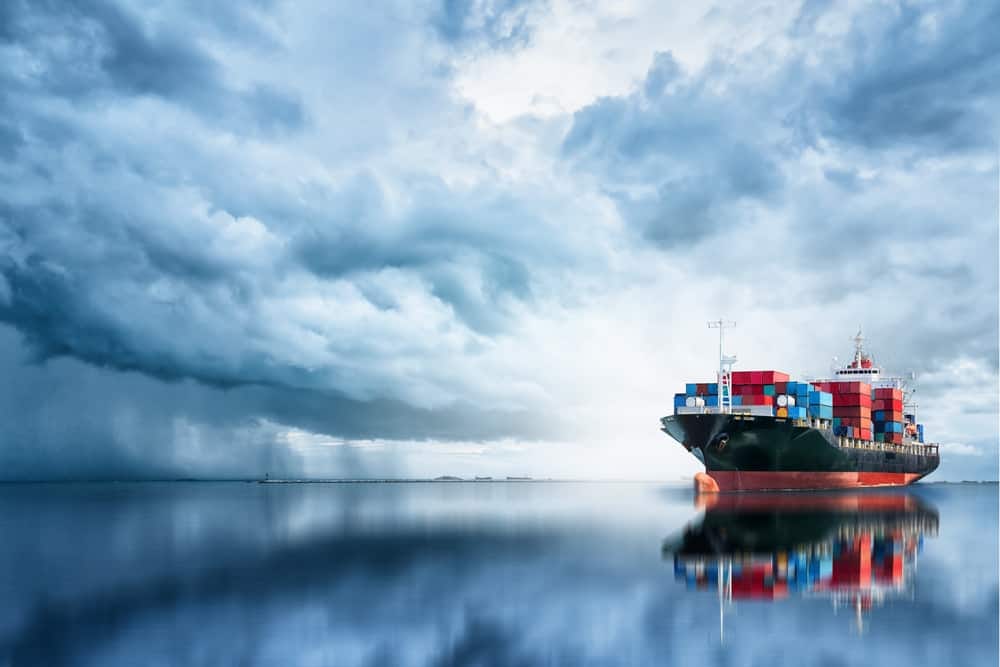
The Northern Sea Route promises huge shipping savings, but don’t expect lower prices at the pump or on your utility bill. I explore why these efficiencies are quietly being siphoned off by energy giants, revealing a stark truth about who really benefits from global shifts.
The Allure of the Shorter Path
We hear it often: innovation, efficiency, progress. And when it comes to shipping, the opening of the Arctic’s Northern Sea Route due to melting ice sounds like a triumph of efficiency. Tankers carrying crucial commodities like Liquefied Natural Gas (LNG) can shave days, even weeks, off their journey from Asia to Europe. This translates to enormous fuel savings—up to 40% in some estimates. Naturally, our immediate thought might be: ‘Great, this means cheaper energy, cheaper goods!’ It’s a comforting thought, a promise of tangible benefits filtering down to our everyday lives.
The Invisible Hand of Control
But here’s the cold reality: those savings are not destined for your wallet. My analysis suggests that rather than a boon for consumers, this newfound efficiency is a windfall for the already powerful. Energy cartels and the behemoth shipping companies that dominate global trade are perfectly positioned to absorb these savings as increased profit margins. They exist in a world where competition is often a polite fiction, and prices are set less by cost and more by what the market can bear. It’s an age-old pattern, where genuine efficiency gains are captured by the few, not distributed to the many.
The process by which organized corporations control what is consumed, and then use that control to command ever greater profits, is one of the enduring features of advanced industrial economies.
– John Kenneth Galbraith
This isn’t just theory; we’re already seeing the announcements of major LNG tankers rerouting. This is the trigger. It’s a clear signal that the strategic advantage, and its associated financial benefits, are being locked down. The Arctic’s shorter route is becoming a private expressway for corporate profit, not a public highway for economic relief.
Go Deeper
Step beyond the surface. Unlock The Third Citizen’s full library of deep guides and frameworks — now with 10% off the annual plan for new members.
A Timeless Lesson in Power Dynamics
This situation holds profound existential stakes. It’s a timely example of a timeless truth: fundamental shifts, whether technological or geographical, often reinforce existing power structures rather than dismantle them. It challenges our often-optimistic view of progress, forcing us to recognize that without deliberate, systemic interventions, ‘efficiency’ primarily serves those already at the top. Thinkers like Hannah Arendt warned us about the dangers of systems that concentrate power, creating what she termed ‘rule by nobody,’ where the mechanisms of profit obscure accountability.
The ultimate question is not whether we are capable of making progress, but what kind of ‘progress’ we are making, and for whose benefit.
– Adapted from Hannah Arendt’s thought
The Arctic shipping discount isn’t just about fuel; it’s a mirror reflecting our collective vulnerability to economic forces that prioritize shareholder value over public good. It should make us ask: in an era of rapid global change, who truly benefits, and what does that mean for the moral compass of our civilization?