


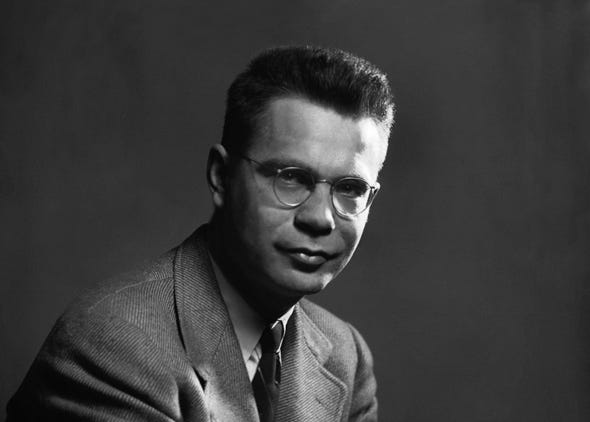
Richard Hofstadter’s “paranoid style” thesis, introduced in his influential 1964 essay “The Paranoid Style in American Politics,” examines a distinctive mode of political rhetoric. This style is characterized by a profound sense of persecution and an embrace of grand conspiracy theories. It emerged during a period of significant social and political turmoil in the United States, notably during the McCarthy hearings and the rise of Barry Goldwater’s presidential campaign.
Hofstadter highlights a recurring theme in American political culture: the tendency of certain groups to perceive political adversaries as existential threats to national identity and security. He argues that this style is not merely the product of irrationality or psychological disturbance but rather a rational response to perceived threats from an elite class that many believe is self-serving and disconnected from the needs of ordinary citizens.
The “paranoid style” is identified as a long-standing element of American political discourse, with roots tracing through various historical events where populist movements have characterized elites as conspirators. Hofstadter’s analysis underscores how periods of social discontent can fracture the political center, enabling marginalized groups to gain disproportionate influence over public narratives through emotionally charged rhetoric. This style frequently mobilizes specific electoral bases by appealing to their fears and grievances, manifesting even among individuals considered psychologically stable.
The implications of Hofstadter’s thesis extend beyond political rhetoric, affecting societal perceptions and public policy. The paranoia surrounding elites can exacerbate a climate of distrust toward political institutions and civil society, fostering an environment where conspiracy theories flourish. This dynamic has been evident in contemporary political movements, particularly as recent crises, such as the COVID-19 pandemic, have reignited conspiracy-driven narratives and further polarized public discourse. Critics contend that while some elements may reflect irrational fears, they often stem from legitimate frustrations with the political establishment and its perceived failures.
Historical Context
The concept of the “paranoid style” in American politics, as articulated by historian Richard Hofstadter, emerged from a specific historical backdrop characterized by widespread anxiety and political upheaval. First presented in his seminal 1964 essay, “The Paranoid Style in American Politics,” Hofstadter’s thesis was formulated during the tumultuous era of the McCarthy hearings and the rise of Barry Goldwater’s presidential campaign. This period was marked by a palpable fear among the populace, despite the economic prosperity and social mobility that followed World War II.
Hofstadter’s analysis drew attention to a recurrent theme in American political culture: the tendency for certain groups to adopt a conspiratorial mindset, often viewing political adversaries as threats to national identity and security. He traced this phenomenon back to earlier historical events, illustrating that the “paranoid style” is not merely a response to specific incidents but a long-standing element of American political discourse. For instance, he noted how demagogues like Joseph McCarthy capitalized on the prevailing fears of communism, depicting perceived enemies as part of a vast conspiracy against American values.
The sociopolitical landscape of the 1960s was shaped by a multitude of contentious issues, including civil rights, foreign policy debates, and cultural shifts, which contributed to a fracturing of the political center. As Hofstadter pointed out, this disintegration of consensus created a fertile ground for paranoia, enabling minority factions to wield disproportionate influence over public sentiment and political narratives. Furthermore, Hofstadter contended that the fears stoked during this era echoed a broader tradition of populism in American history, where marginalized groups perceived themselves as defenders of a threatened way of life.
The “Paranoid Style” Defined
The term “paranoid style” refers to a distinctive approach to political rhetoric characterized by a sense of persecution and a tendency to espouse grandiose conspiracy theories. Coined by historian Richard Hofstadter in his 1964 essay, the “paranoid style” highlights a way of perceiving political and social realities that is marked by distrust and suspicion toward established institutions and elites.
Characteristics of the Paranoid Style
The paranoid style is often associated with the articulation of a worldview where the individual perceives themselves as besieged by malevolent forces. This perspective tends to resonate with emotional triggers or “hot buttons” that can mobilize specific segments of the electoral base, regardless of the truthfulness of the claims being made. Hofstadter posited that this rhetorical approach has historical roots and is not limited to individuals with serious psychological disturbances; rather, it can manifest in “more or less normal people” when confronting societal discontent and instability.
