


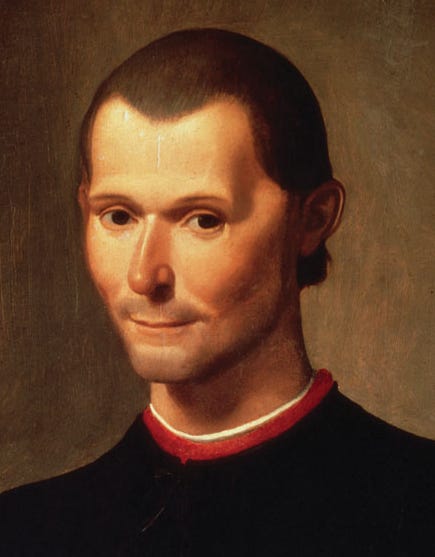
Niccolò Machiavelli, a pivotal figure of Renaissance political thought, is best known for his exploration of power dynamics and statecraft, particularly through his seminal work, The Prince. This text posits that deception and manipulation are not merely tools of the unscrupulous but rather essential components of effective governance, reflecting the harsh realities of political life. Machiavelli’s philosophy, often encapsulated in the phrase “the ends justify the means,” suggests that rulers must prioritize political stability and authority over conventional moral considerations, sparking enduring debates about ethics in leadership and the nature of political power.
Power tends to corrupt, and absolute power corrupts absolutely.
Lord Acton
Machiavelli’s insights emerged from a tumultuous historical context characterized by the fragmentation of Italy into rival city-states and foreign invasions during the Italian Wars. This backdrop influenced his views on the pragmatism required for rulers to navigate a complex and often dangerous political landscape. His experiences as a diplomat and military official allowed him to witness firsthand the fluctuating dynamics of power, which deeply informed his analysis of leadership and statecraft. His ideas remain relevant today, informing contemporary discussions on governance, ethics, and the often paradoxical relationship between morality and political necessity.
The notion of state deception, a central theme in Machiavelli’s work, underscores the practical necessity of manipulation for maintaining authority. He argues that effective leaders must understand and engage in deceptive practices to protect their power and achieve desired political outcomes. This perspective has led to significant critiques, with scholars questioning the ethical implications of his realism and the potential for moral erosion within governance. Critics contend that such a pragmatic approach could undermine public trust and legitimacy, raising critical questions about the balance between ethical conduct and political efficacy in leadership.
Machiavelli’s legacy continues to resonate across various fields, including political science and leadership studies, shaping modern interpretations of realism in governance. His work has influenced generations of thinkers and remains a touchstone for discussions on the complexities of power and the ethical challenges faced by political leaders. As contemporary societies grapple with the dilemmas of statecraft, Machiavelli’s reflections on the interplay between power, deception, and morality provide a vital framework for understanding the ongoing relevance of his theories.
Historical Context
Machiavelli’s work must be understood against the backdrop of the Renaissance, a period characterized by political instability and fragmentation in Italy, where rival city-states such as Florence, Venice, and Milan vied for control amidst constant foreign intervention by powers like France, Spain, and the Holy Roman Empire. This tumultuous environment shaped Machiavelli’s perspective on governance, power, and the intricate relationships between military might and political authority.
