


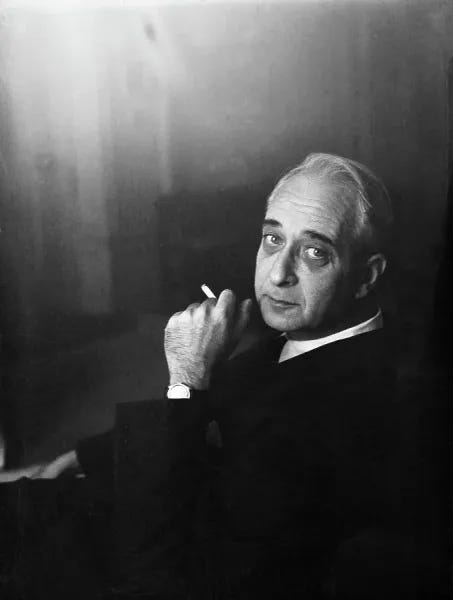
Lionel Trilling’s exploration of authenticity addresses a profound and contemporary cultural obsession with the notion of being “true to oneself.” In his influential work, “Sincerity and Authenticity,” Trilling critiques modern society’s relentless pursuit of authenticity, positing that this quest stems from historical shifts in narrative practices and identity formation. He argues that as traditional religious and moral frameworks have diminished, individuals increasingly grapple with existential questions about their true selves, leading to a paradox where the desire for authenticity often creates anxiety and self-alienation in an environment dominated by societal expectations and digital representations.
Trilling’s analysis reveals that authenticity is intricately linked to the moral and social dimensions of individual identity. He distinguishes between authenticity and sincerity, suggesting that while the latter is often compromised by social norms, authenticity embodies a raw, unfiltered self that can foster genuine connections within the broader social fabric. This tension raises critical questions about whether a truly “authentic” self can exist independently of external influences, complicating the individual’s quest for identity in a rapidly changing cultural landscape.
The relevance of Trilling’s insights extends to contemporary discussions about mental health and the psychological implications of living authentically. Research indicates that aligning one’s actions with personal values leads to greater well-being, yet societal pressures can impede this alignment, resulting in anxiety and emotional distress. The complexities of authenticity have been further exacerbated by the rise of social media, where curated personas often blur the lines between genuine self-expression and performative identity, amplifying the anxiety surrounding personal authenticity in the digital age.
Trilling’s critique resonates with ongoing debates about the role of authenticity in literature, politics, and culture, prompting scholars to reassess the implications of this quest for identity within modernity. His work encourages a nuanced understanding of how the desire for authenticity can serve as both a path to self-discovery and a source of existential turmoil, reflecting a broader cultural anxiety that persists today.
Historical Context
The exploration of authenticity in literature and culture is deeply rooted in the historical shifts of the 18th and 19th centuries, a period marked by a profound transformation in narrative practices and the understanding of human experience. With the decline of religious narratives that once provided clear beginnings, such as biblical creation stories, a vacuum emerged that demanded new forms of storytelling capable of offering authenticity and grounding in reality. This shift was characterized by an emphasis on narrative history, which sought to recapture the “sharp and positive beginnings” that were essential for an authentic account of the world, highlighting the need for literature to reflect personal, national, and cosmological events.
