


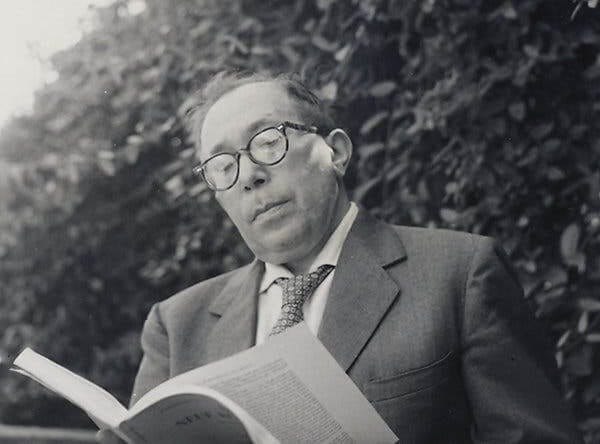
Leo Strauss (1899–1973) was a seminal political philosopher renowned for his exploration of the complex interplay between political communication and philosophical discourse. Fleeing from the oppressive regime of Nazi Germany, Strauss’s intellectual journey was profoundly influenced by the illiberal societies he experienced, which shaped his belief in the necessity of a nuanced approach to truth in politics.
He introduced the concept of “layered truths,” positing that political leaders often employ esoteric and exoteric writing strategies to navigate the chasm between elite understanding and public perception. This bifurcation reflects his critique of modern democratic societies, which he believed overly relied on public opinion, potentially undermining meaningful political discourse and genuine intellectual engagement.
Central to Strauss’s thought is the notion that the philosophical elite possess truths that may be deemed unsuitable for public consumption. He controversially argued for the use of “noble lies,” or socially beneficial falsehoods, to maintain order among the masses. This perspective raises ethical questions about the manipulation of public opinion and the moral implications of withholding certain truths from society.
Critics have linked Strauss to the rise of neo-conservatism, claiming his ideas have influenced significant political decisions, such as the rationale behind the U.S. invasion of Iraq under the Bush administration. This association has ignited debates about the dangers of elitism in political philosophy and the responsibilities of leaders in a democratic society.
Strauss’s legacy also encompasses a profound emphasis on the importance of careful reading and interpretation, advocating for engagement with philosophical texts that reflect fundamental political issues. His insights are increasingly relevant in contemporary discussions about the dynamics of public perception in an age characterized by rapid technological advancement and the proliferation of misinformation, which complicates the relationship between truth and political authority. Despite the controversies surrounding his work, Strauss’s contributions continue to challenge scholars and political practitioners to reflect on the implications of layered truths in the fabric of political communication and leadership.
Background: The Genesis of Strauss’s Philosophy
Leo Strauss was a prominent political philosopher whose work centered on the complex relationship between political life and intellectual discourse. His approach to political communication often highlighted the tensions between public expression and private reflection, particularly in contexts where freedom of expression was restricted, such as in the illiberal societies from which he fled, like Nazi Germany. Strauss believed that the act of writing could serve as a means to navigate this tension, emphasizing a style of writing that was accessible to the general public while still inviting deep reflection.
One of Strauss’s significant contributions to political philosophy is his critique of modern democratic societies, which he perceived as overly reliant on public opinion as a source of wisdom. He argued that this trust in the masses could undermine genuine intellectual engagement and political discourse. His philosophy was characterized by a dual approach: he produced both exoteric writings intended for a broader audience and esoteric texts meant for a more discerning readership, suggesting a deliberate layering of truths that separate the educated elite from the general public.
Strauss’s legacy includes an emphasis on the importance of reading and interpretation, advocating for a thoughtful engagement with texts that reflect on fundamental political issues. He maintained that effective political communication requires an understanding of the nuances within
