


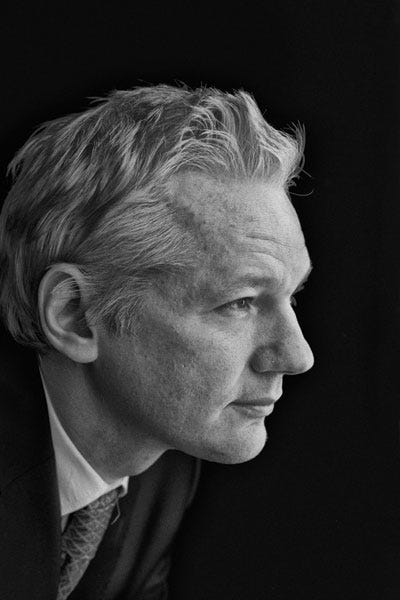
Julian Assange’s core philosophy on censorship posits that its primary objective is not simply to conceal the truth, but rather to exhaust dissent within society. This view situates Assange at the forefront of contemporary debates about free speech and the mechanisms of control in the digital age. His insights suggest that the suppression of information and the distortion of narratives are strategic maneuvers aimed at undermining democratic engagement, ultimately fostering an environment where public discourse is stifled and dissenting voices are systematically diminished.
Drawing on philosophical frameworks, Assange’s philosophy resonates with the ideas of thinkers such as Immanuel Kant, who differentiated between private and public uses of reason. Assange argues that the suppression of dissent is a calculated effort to maintain the status quo, rather than a mere act of hiding information. In the context of modern digital censorship, he highlights how new technologies enhance traditional censorship techniques, facilitating greater government control over information flow and contributing to a culture of fear surrounding dissent.
Assange also emphasizes the critical role of citizen journalism in countering censorship, asserting that alternative narratives and grassroots reporting are essential in challenging the dominant discourse and preserving democratic values. He contends that the pursuit of truth and the act of dissent are vital to safeguarding against the pervasive influences of censorship in contemporary society. While influential, his philosophy has not been without controversy, facing criticism regarding the ethical implications of unrestricted information disclosure and the responsibilities of journalists in the digital era.
Ultimately, Assange’s experiences illustrate a broader shift in the landscape of censorship, where the aim extends beyond merely hiding information to systematically eroding dissent. His case raises pressing questions about press freedom, the rights of whistleblowers, and the implications of legal frameworks that govern free expression, making his philosophy a focal point of ongoing discussions surrounding censorship and democracy.
In a time of universal deceit, telling the truth is a revolutionary act.
George Orwell
Core Philosophy
Julian Assange’s core philosophy on censorship asserts that its primary aim is not merely to conceal the truth, but to exhaust dissent within society. This perspective aligns with broader discussions on the nature of censorship, which has evolved significantly, particularly in the digital age. Assange posits that the suppression of speech and the distortion of information serve to undermine democratic discourse, ultimately fostering an environment where public awareness and engagement are severely limited.
The Role of Censorship in Society
Assange’s views resonate with philosophical interpretations of censorship articulated by thinkers like Immanuel Kant, who distinguished between private and public use of reason. Kant’s framework suggests that the private use of reason is often confined to contexts dictated by established power structures, where dissenting opinions may be stifled. Assange implies that this suppression is not simply an act of hiding information but rather a strategic maneuver to exhaust the voices of dissent that challenge the status quo.
