


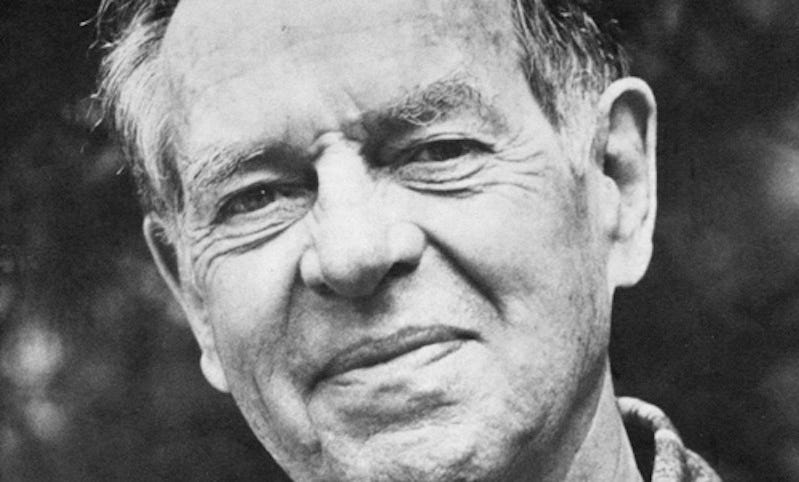
Joseph Campbell’s insights into mythology highlight the critical role that heroic myths play in shaping cultural identity and cohesion. His influential work, particularly the concept of the Hero’s Journey, asserts that these narratives provide essential frameworks for understanding individual and collective human experiences. Campbell argues that a society devoid of heroic myths risks losing its foundational values and shared ideals, leading to disconnection and fragmentation among its members.
By exploring the universal patterns within myths, Campbell emphasizes their importance as vessels of moral and ethical teachings, fostering both personal growth and social unity.
Myth is the secret opening through which the inexhaustible energies of the cosmos pour into human cultural manifestation.
Joseph Campbell
Joseph Campbell’s Theories
Joseph Campbell, a prominent figure in comparative mythology, is best known for his exploration of the universal patterns found in myths across cultures. His seminal work, The Power of Myth, co-authored with Bill Moyers, presents the concept of the monomyth, or the Hero’s Journey, which outlines a narrative arc shared by countless myths and stories throughout history.
The Hero’s Journey
Campbell’s framework for the Hero’s Journey consists of three essential stages: separation, initiation, and return. The journey typically begins in the “Ordinary World”, where the hero experiences a sense of incompleteness or restlessness. The narrative progresses as the hero receives a “Call to Adventure”, prompting them to leave their familiar surroundings and confront challenges in an unknown realm. This departure is often met with a “Refusal of the Call”, highlighting the hero’s internal struggle before ultimately embarking on the journey.
During the initiation phase, the hero encounters trials that test their character and resolve, culminating in a significant ordeal that represents a confrontation with their deepest fears and limitations. This transformative experience fosters personal growth, allowing the hero to gain wisdom and strength. Finally, the return stage sees the hero bringing newfound insights back to their community, symbolizing the integration of their experiences into daily life.
Cultural Significance
Campbell’s theories emphasize the psychological and spiritual dimensions of storytelling, suggesting that myths serve to bridge individual experiences with universal archetypes residing in the collective unconscious. His analysis draws parallels between the Hero’s Journey and Jungian concepts, highlighting how these narratives can facilitate psychological integration and personal transformation.
The relevance of Campbell’s theories extends beyond literature into contemporary storytelling, particularly in film and media. His influence is evident in popular narratives, such as George Lucas’ Star Wars, which draws heavily on the structure of the Hero’s Journey. The archetypal patterns identified by Campbell resonate across cultures and time, reinforcing the enduring power of myth in shaping human experience and understanding.
However, critiques of Campbell’s work point to its speculative nature and the subjective interpretations that underpin his theories. Some scholars argue that Campbell’s framework oversimplifies the complexity of diverse cultural myths, as it attempts to fit myriad stories into a single monomyth. Despite this, the Hero’s Journey remains a compelling narrative structure that captures the imagination and reflects shared human values, emphasizing the importance of heroism and transformation in societies around the world.
The Consequences of a Culture Without Heroic Myths
The absence of heroic myths can have profound consequences for society, leading to an erosion of shared values and an increase in individual isolation. As communities lose the unifying narratives that embody collective aspirations, individuals may struggle with identity crises, finding themselves disconnected from the larger stories that provide context and meaning to their lives. Furthermore, the lack of a common mythological framework can hinder social cohesion and exacerbate divisions among different groups, undermining efforts toward inclusivity and mutual understanding in increasingly pluralistic societies.
The unexamined life is not worth living.
Socrates
Erosion of Shared Values
One significant consequence of a lack of heroic myths is the erosion of shared values. Myths traditionally embody collective aspirations and ideals, such as courage, sacrifice, and justice. As these stories become less prevalent, the common moral frameworks they provide may weaken, resulting in a society characterized by individualism rather than collective responsibility. This shift can exacerbate social divisions and inequalities, as different groups cling to their own narratives, which may conflict with others, creating further polarization.
Identity Crisis and Individual Isolation
The journey of personal identity is often mirrored in the stories of heroes, who navigate trials and tribulations to discover their purpose. In cultures devoid of these myths, individuals may experience an intensified identity crisis, feeling disconnected from the larger narratives that provide context to their lives. The quest for identity, which should be supported by communal storytelling, can devolve into a solitary endeavor, leaving individuals to navigate their existential questions without the guidance that shared myths offer. This lack of support can lead to increased feelings of isolation and confusion, as individuals struggle to assert their place within a fragmented societal landscape.
Disconnection from Archetypal Wisdom
Heroic myths are deeply rooted in archetypal patterns that resonate across cultures and time. They articulate fundamental aspects of the human experience, allowing people to connect with their own inner journeys while reflecting on collective struggles. The absence of these archetypal narratives can result in a disconnection from this shared wisdom, limiting individuals’ ability to navigate personal and societal challenges. This disconnection can foster a sense of meaninglessness, as individuals are deprived of the rich tapestry of experiences and lessons that myths convey, leading to a culture adrift without direction or purpose.
Challenges of Inclusivity and Pluralism
In a world characterized by diversity and pluralism, the challenge of reconciling various cultural narratives becomes more pronounced in the absence of a unifying heroic mythology. Without a common framework of heroic narratives, societies may struggle to honor the experiences of historically marginalized groups, leading to tensions and conflicts. The inability to integrate diverse perspectives within a shared mythological context can hinder dialogue and understanding, exacerbating societal divisions instead of fostering unity and empathy. Thus, the loss of heroic myths not only impacts individual identity but also impedes collective efforts toward inclusivity and harmony within a multicultural landscape.
Historical Context
Joseph Campbell’s exploration of mythology, particularly through his concept of the Hero’s Journey, serves as a critical lens for understanding the cultural narratives that shape societies throughout history. Myths have been central to civilizations, providing frameworks for understanding existence and conveying core values and beliefs. They are not merely ancient tales but are reflective of the societies that created them, often serving as powerful tools for social cohesion and identity formation.
Creation Myths
Creation myths are foundational stories that explain the origins of the universe and humanity, influencing the worldview of cultures. For example, ancient Egyptian creation myths, established during the Old Kingdom, revolve around primordial themes, such as the emergence of an island from chaotic waters, where deities first manifest. These narratives not only explain creation but also reinforce cultural identity and social order.
In the Armenian tradition, the genesis myth of “Hayk Nahapet,” chronicled by historian Movses Khorenatsi, illustrates the construction of ethnic identity and societal structure through narrative. The story of Hayk’s battle against the Titan Bel serves as a crucial cultural narrative that fosters a sense of unity among Armenians, particularly in times of existential threat. Such myths underscore Bruce Lincoln’s argument that societies often invoke ancestral figures and narratives to rebuild cohesion amidst disorder.
The Hero’s Journey in History
Campbell’s analysis reveals a persistent narrative pattern across various mythologies—the Hero’s Journey—characterized by a hero’s quest, trials, and transformation. This archetype resonates universally, suggesting an innate structure in human storytelling that transcends specific cultures. The Hero’s Journey reflects not only the individual’s pursuit of freedom and justice but also embodies collective societal ideals and aspirations.
Furthermore, the role of mythology in shaping societal values is evident in how modern narratives adapt these ancient structures. Contemporary storytelling frequently emphasizes heroic figures facing modern-day challenges, such as social injustice, which echoes the timeless quest for meaning and integrity found in ancient myths. This evolution indicates that while the contexts may change, the fundamental human need for heroic narratives remains vital for cultural resilience and identity.
Case Studies
The Hero’s Journey Across Cultures
Joseph Campbell’s concept of the Hero’s Journey serves as a foundational narrative structure that appears across various mythologies worldwide. This narrative pattern has been identified in the stories of figures ranging from Mesopotamian rulers like Sargon of Akkad to Greek and Roman heroes such as Perseus and Hercules. The persistence of this structure suggests a universal human experience that resonates across different cultures and epochs, reflecting shared values and existential challenges.
Transgressive Literature and Its Societal Reflection
In modern contexts, particularly within transgressive literature, narratives diverge from the traditional hero’s journey, allowing for a more complex portrayal of characters often marginalized by society. These stories emphasize the struggles and communal bonds formed among individuals facing addiction, incarceration, and mental health challenges. The unconventional dynamics in these narratives highlight the notion that heroism can exist outside the traditional frameworks, redefining what it means to be a hero in contemporary society.
The Role of Myth in Shaping Identity
Mythology also plays a crucial role in constructing national identity and collective memory. Myths about origins, heroes, and shared struggles contribute to a sense of belonging within communities, reinforcing values and beliefs that define cultural identity. For instance, various tribal myths account for origins and conflicts with other groups, shaping perceptions of identity and otherness. This narrative construction illustrates the enduring power of myths to unify individuals under a common heritage while also delineating boundaries between ‘us’ and ‘them.’
Myths in Modern Media
In today’s digital age, the adaptation of ancient myths into modern narratives—seen in films and literature—reflects an ongoing engagement with these timeless stories. As noted, films that encapsulate heroic journeys and moral lessons resonate with audiences, perpetuating ideals of justice, bravery, and equality. This trend not only serves to entertain but also to instill cultural values in younger generations, suggesting that even in a rapidly changing society, the core messages of these ancient myths continue to find relevance.
Stories are not just entertainment; they are the DNA of culture.
Stephen King
Criticism and Counterarguments
Joseph Campbell’s concept of the monomyth, or the “Hero’s Journey,” presented in his seminal work The Hero with a Thousand Faces, has faced significant criticism for its inherent biases and oversimplifications of cultural narratives. One of the primary critiques is that Campbell’s framework largely focuses on male protagonists and patriarchal structures, which can alienate female perspectives in storytelling. Scholars like Maureen Murdock have responded by proposing alternative narrative structures that emphasize a female protagonist’s journey, which is often more internal and cyclical, focusing on the reconciliation of masculine and feminine elements rather than merely conquering external foes.
Furthermore, Campbell’s assertion that all myths follow a singular structure is seen as reductionist, disregarding the vast diversity of cultural storytelling traditions and their unique contexts. Critics argue that such an approach risks cultural appropriation by oversimplifying and absorbing diverse myths into one overarching narrative, an issue that would likely provoke considerable backlash if proposed in contemporary discussions.
Moreover, Campbell’s emphasis on individualism within the hero’s journey has been linked to the philosophy of Ayn Rand, which promotes the idea of self-transformation detached from community or historical context. This focus can undermine the collective values that many cultures espouse, thereby diminishing the richness and complexity of their myths.
Campbell’s structure has also been critiqued for its linearity. While he outlines a series of stages that a hero typically goes through, critics highlight that modern storytelling often deviates from this formula, suggesting that heroism is not solely about extraordinary deeds performed by exceptional individuals. Instead, the heroic can manifest in the everyday actions of ordinary people. This perspective introduces the concept of domestic or bourgeois heroism, where the potential for heroism lies within everyone, rather than being reserved for a select few.
In addition, some argue that contemporary heroes often respond to social injustices rather than traditional mythological summonses. Figures like Malala Yousafzai exemplify modern heroism through their advocacy for education and gender equality, showcasing a shift in the nature of the hero’s call from mythological to socially driven. This evolution signifies that heroism today is more inclusive, reflecting broader ideals for the common good rather than individual triumph alone.
Lastly, the exploration of mythology as a psychological and cultural force underscores its ongoing relevance, with modern myths serving as vital frameworks for navigating the complexities of life. They help individuals integrate their inner worlds and articulate shared societal values, indicating that while Campbell’s monomyth provides a compelling lens, it is not the sole narrative framework through which to understand the hero’s journey.