


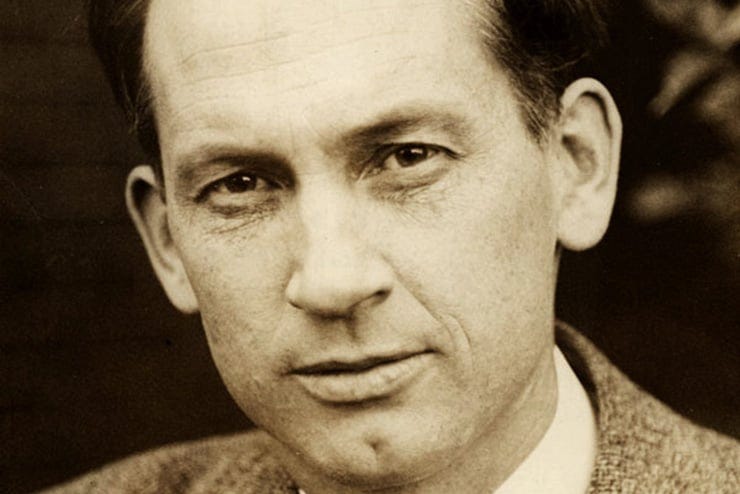
Harold Innis’s theory of communication bias, developed in the mid-20th century, offers a profound framework for understanding how different media influence historical memory in the digital age. Innis posited that communication media inherently possess either a time bias, favoring longevity and depth, or a space bias, prioritizing rapid dissemination and accessibility. This dichotomy is particularly salient in contemporary discussions about the impact of digital communication, where social media platforms, characterized by space bias, challenge traditional methods of preserving historical narratives. Innis’s insights illuminate why the digital age may be undermining collective memory, raising critical concerns about the preservation of history as ephemeral content proliferates across online platforms.
The medium is the message.
Marshall McLuhan
The significance of Innis’s theory becomes increasingly evident in light of algorithmic gatekeeping, where digital platforms dictate what information is deemed newsworthy based on engagement metrics rather than historical importance. This shift in editorial decision-making complicates the curation of historical narratives, as media professionals grapple with maintaining integrity in their storytelling amidst algorithm-driven pressures.
Furthermore, while social media democratizes access to diverse perspectives, it also risks diluting historical depth, leading to fragmented understandings of the past. As users navigate a landscape dominated by fleeting content, the implications for personal and collective memory become crucial topics of debate.
Innis’s work also emphasizes the role of cultural heritage institutions in shaping collective memory in the digital era. These institutions are tasked with curating digital content that reflects societal values and engages the public with history. However, their efforts may inadvertently oversimplify complex narratives in favor of more engaging representations, prompting questions about authenticity and accuracy in historical memory. The interaction between institutional curation and user-generated content further complicates the landscape of historical interpretation, reflecting the dynamic tension between established knowledge and emerging voices.
In summary, Harold Innis’s theory of communication bias offers valuable insights into the challenges posed by the digital age to historical memory preservation. As the rapid evolution of media transforms how information is shared and understood, Innis’s framework remains pertinent in examining the cultural and social implications of communication practices, particularly in an era marked by both the democratization of information and the potential for a ‘digital dark age‘—a scenario where significant portions of our historical record risk being lost or distorted.
Theoretical Framework
Concept of Communication Bias
Harold Innis’s theory of communication bias posits that every medium of communication possesses either a time bias or a space bias, influencing how messages are transmitted and received across generations. Time-biased media, such as stone tablets and oral traditions, prioritize the longevity of content, allowing messages to endure for extended periods but typically reaching a limited audience. Conversely, space-biased media, which includes modern platforms like social media, allow for rapid dissemination of information to wide audiences but often lack the capacity for long-term retention. This dichotomy is critical in understanding how different media shapes collective memory and historical narratives in contemporary society.
Algorithmic Gatekeeping and Memory Work
Innis’s insights are particularly relevant in the context of algorithmic gatekeeping prevalent in today’s digital landscape. The ongoing influence of platforms on editorial decision-making transforms the process of curating historical narratives, as algorithmic curation reconfigures what is deemed newsworthy to align with metrics of shareability. This shift compels media professionals to navigate the complexities of maintaining professional judgment amidst the pressures exerted by algorithm-driven visibility and engagement, leading to a recalibrated understanding of memory work in a digitally dominated era.
