

Fragmented Discourse, Inability to Act. Prognosis: Fukuyama’s ‘End of History’ Revisited

At 2:47 in the morning on a Thursday in late September, the United States House of Representatives narrowly averted a government shutdown by passing a stopgap funding bill. Forty-eight hours earlier, the same body had done the opposite—voted down its own leadership’s proposal, then stood frozen while the clock ticked. The debate was not about principle. It was about procedure. It was about who could claim credit for avoiding disaster while simultaneously laying blame for having caused it.
Across the Atlantic, the same week, a major European capital entered its third month without a functioning government. Coalition talks collapsed, revived, collapsed again. No one agreed on what to do about energy prices, immigration, or the war on the continent’s eastern border. The parties did not disagree on values; they disagreed on how to disagree. The machinery of democracy was spinning, but the output was static.
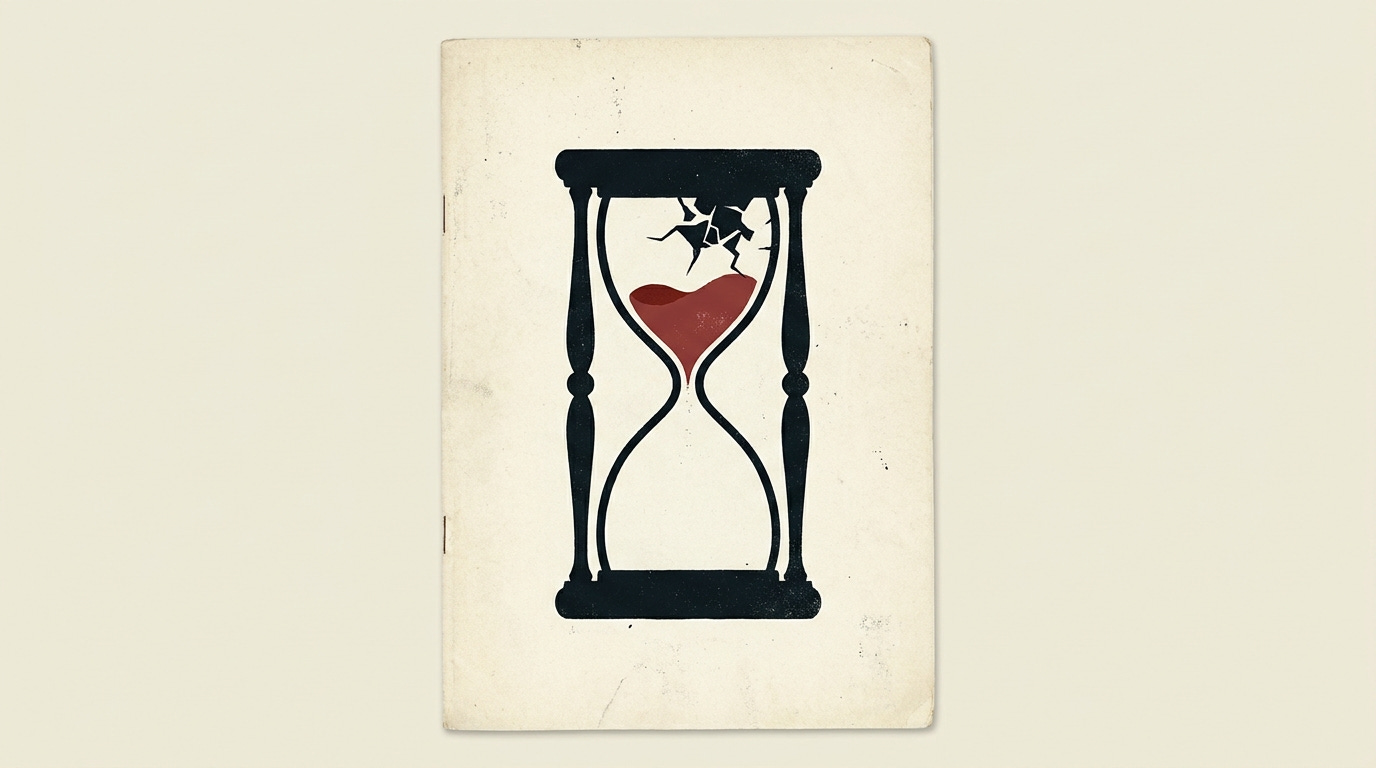
This is not the image of liberal democracy’s global triumph. It is the image of a system that has lost its sense of direction—a patient with all vital signs technically present, but unable to stand.
The most famous prophecy about this moment was not a warning of collapse. It was a prophecy of victory. In 1989, a political scientist named Francis Fukuyama published an essay that became a book: The End of History and the Last Man. His claim was breathtaking: liberal democracy, he argued, was the final form of human government. The great ideological battles were over. What remained was the mundane work of administration, the slow diffusion of markets and rights, the quiet satisfaction of a world that had stopped asking existential questions.

What Fukuyama did not foresee—what perhaps no one could foresee—was that the end of history would be less a liberation than a kind of suspended animation. The patient would survive, but it would forget how to act.
