


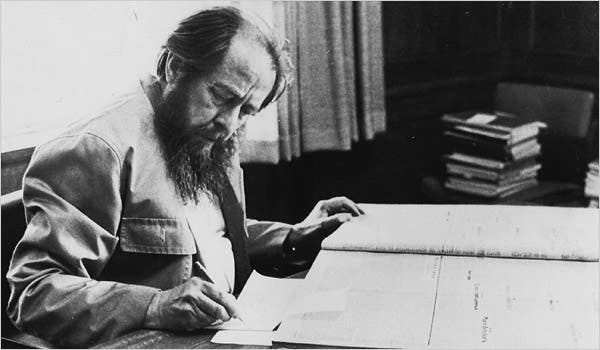
Aleksandr Solzhenitsyn, a renowned Russian writer and dissident, is celebrated for his profound exploration of the relationship between ideology and the dehumanization of individuals. Born in 1918, Solzhenitsyn’s experiences in the Soviet Union, particularly his imprisonment in the Gulag, fueled his literary and philosophical critiques of totalitarian regimes. His most significant works, including The Gulag Archipelago, serve as harrowing accounts of oppression and as cautionary tales about the moral implications of ideological fervor. Through his writings, Solzhenitsyn warns against the seductive nature of ideologies that render the dehumanization of others not only permissible but virtuous in the eyes of their adherents.
Central to Solzhenitsyn’s argument is the idea that totalitarian ideologies can strip individuals of their moral agency, reducing them to mere tools of a larger narrative. He posits that this dehumanization process allows individuals to commit acts of cruelty while believing they are serving a greater good, often framing these ideologies as “inverted religions” that promise utopia at the cost of human dignity. His exploration of how collective goals can overshadow individual humanity remains strikingly relevant today, drawing parallels with contemporary political movements that exhibit similar tendencies.
Solzhenitsyn’s literary legacy extends beyond mere documentation of the Soviet experience; it challenges readers to confront the moral complexities inherent in the human condition. His call for moral vigilance against the extremes of ideology encourages a recognition of the dual capacities for good and evil within individuals, advocating for compassion over condemnation. As a result, Solzhenitsyn’s work continues to resonate in modern discussions about freedom, accountability, and the ethical responsibilities of society in the face of systemic oppression.
